 EXPLAINER
Explainers
How to report a complaint about religious offence
The first fact to establish is often modest: a named person or organisation objected to a particular work, statement or event.

Every story published by Religion News Wire, newest first.
EXPLAINERThe first fact to establish is often modest: a named person or organisation objected to a particular work, statement or event.
 EXPLAINER
 EXPLAINER
A shrine may survive a season of heavy rain while the route to its annual gathering becomes unreliable.
 OPINION
A district administration granting permission for a procession must consider a street used by worshippers, shopkeepers and residents with no part in the event.
 EXPLAINER
Start in Kerala and the history of Cochin’s Jewish communities leads through different places from those associated with the Bene Israel in western India.
 OPINION
A familiar narrative changes when it moves from a courtyard performance to a caption on a screen.
 EXPLAINER
A reporter arriving only for a festival will see what is meant to be visible that day.
 EXPLAINER
Two stories about access to a temple may sound alike while concerning quite different spaces.
 EXPLAINER
Ask a language model for a wedding story set in India.
 EXPLAINER
Someone might open a meditation app before work, visit a temple in the evening and describe a difficult week in the language of boundaries or burnout.
 EXPLAINER
A captioning system can produce a grammatically plausible line and still fail a congregation following Gurbani.
 EXPLAINER
India publicly condemned the demolition of Gurdwara Sri Guru Singh Sabha Sahib in Farooqabad, Pakistan.
 EXPLAINER
Rana Safvi’s In Search of the Divine: Living Histories of Sufism in India gives readers a point of entry into a subject often presented as a list of saints and shrines.
 EXPLAINER
The debate over the administration of Hazur Sahib in Nanded turns on a practical question about representation.
 EXPLAINER
India’s Ministry of Minority Affairs describes Haj Suvidha App 2.0 as part of its digital arrangements for the 2026 pilgrimage.
 EXPLAINER
A Jain calendar can mark auspicious events in the lives of the Tirthankaras.
 EXPLAINER
Reports from Barmer described residents from different faiths speaking out after mosque demolitions.
 EXPLAINER
A person filling out a form, a congregation choosing whom to admit and a judge deciding a dispute may all use the word religion.
 EXPLAINER
In a judgment dated 24 March 2026, the Supreme Court addressed how the religion condition in the Constitution (Scheduled Castes) Order, 1950 affects recognition.
 EXPLAINER
A public appearance by the Dalai Lama in Ladakh can bring together two kinds of attention.
 EXPLAINER
For a Kanwariya carrying sacred water to a Shiva shrine, the journey on foot is part of the observance.
 EXPLAINER
The animated film Mahaprabhu Jagannath drew objections to its depiction of a revered figure.
 EXPLAINER
A river ghat can look deserted in one frame and full in the next.
 EXPLAINER
Most photographs of the Amarnath Yatra show a line of people moving towards the cave.
 EXPLAINER
Travelling alone to Amarnath need not mean spending every hour in isolation.
 EXPLAINER
Begin with a question a visitor can carry between monuments.
 EXPLAINER
When an institution relies on overseas donations, a debate about funding rules can arrive at the level of an ordinary budget.
 EXPLAINER
UNESCO added the Ancient Buddhist Site of Sarnath to the World Heritage List in July 2026.
EXPLAINERGuru Ravidas gave a remarkable name to an imagined city: Begumpura, a place without sorrow.
EXPLAINERThe Kartarpur corridor opened in 2019 to give pilgrims from India a route to the Sikh shrine in Pakistan associated with Guru Nanak.
EXPLAINERA Greater Noida proposal brings two familiar ideas into an unusual partnership: a park built with discarded materials and a landscape inspired by temple architecture.
 EXPLAINER
A local story often begins with something modest: a book published in a regional language, a restored manuscript or a neighbourhood group that has started sharing a kitchen.
EXPLAINERTwo workers from Chhattisgarh were killed at a brick kiln in Kulgam.
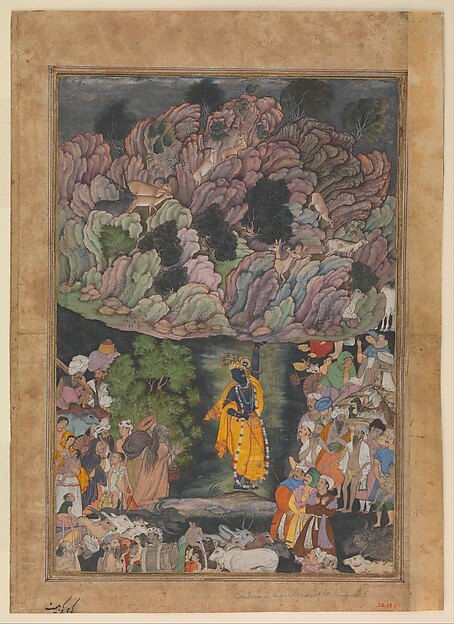 EXPLAINER
Ask a host whether a meal is vegetarian and the answer may depend on the day, the kitchen or the guest.
OPINIONA teacher earns a reputation when someone finds a lesson worth learning.
EXPLAINERThe petition asked for government oversight of institutions that provide children with religious instruction.
EXPLAINERA symbolic yagna near Jadavpur University’s administrative building brought two arguments into the same courtyard.
EXPLAINERAn argument about an IIT Delhi convocation began with a question that a short video could not settle for every listener.
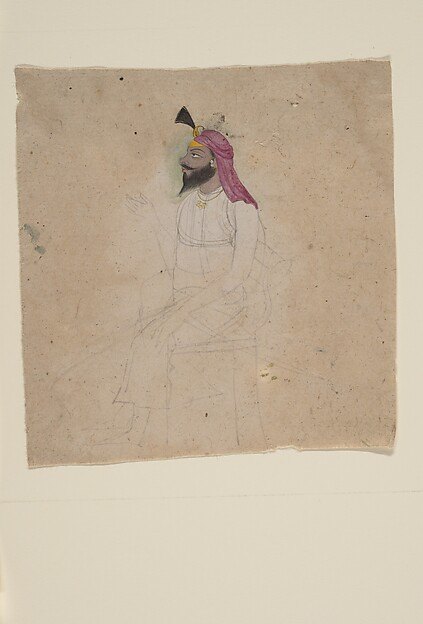
EXPLAINERThe title Portrait of a Sikh Noble gives the viewer an identity in broad terms while leaving the sitter’s name open.
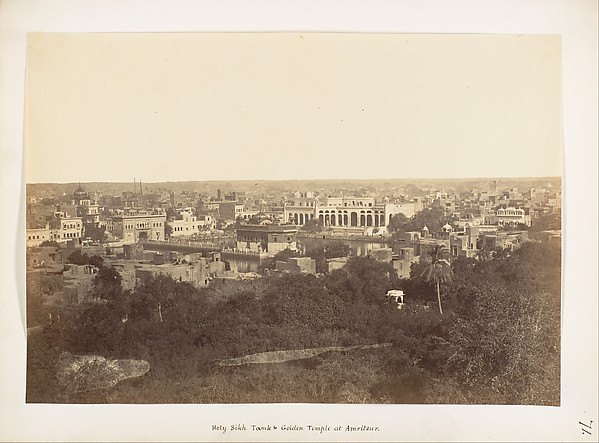
EXPLAINERIn the title of this historical photograph, the sacred tank and the Golden Temple appear together.
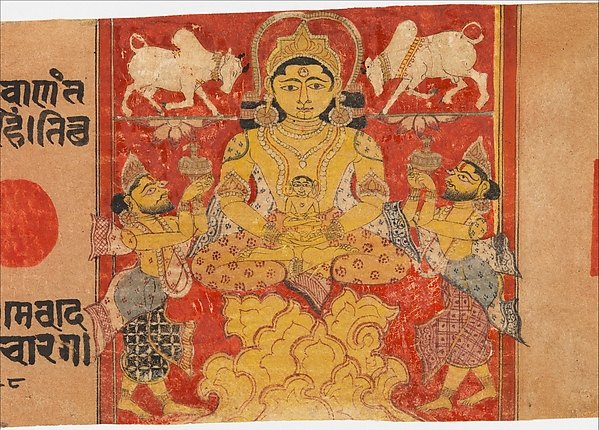
EXPLAINERIn this painted page from a Kalpasutra manuscript, the infant Mahavira receives a ceremonial bathing.
 EXPLAINER
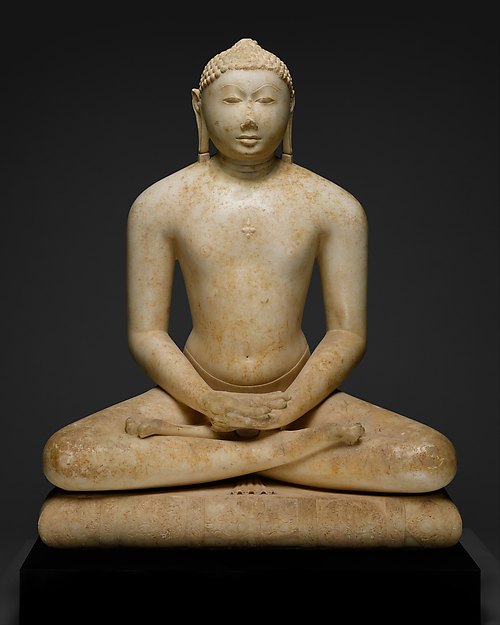
The Met identifies this seated figure as a Jain Svetambara tirthankara and suggests that it probably represents Mahavira.
EXPLAINERA handscroll gives a story an order shaped by the movement of hands.
 EXPLAINER
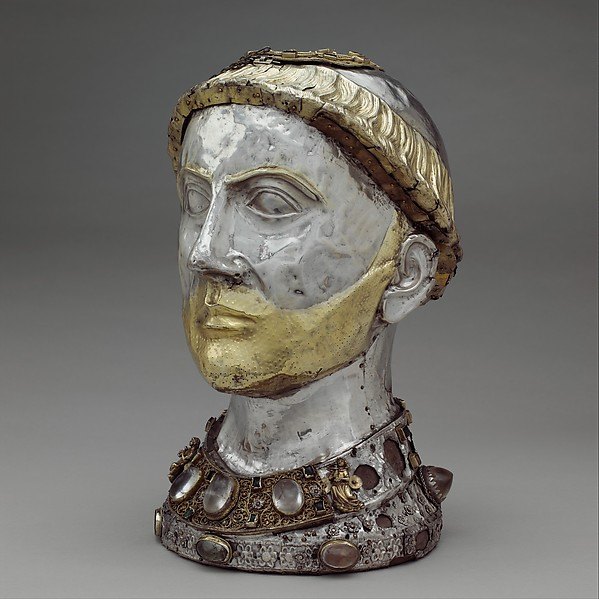
A reliquary bust brings the form of a person into the work of keeping a relic.
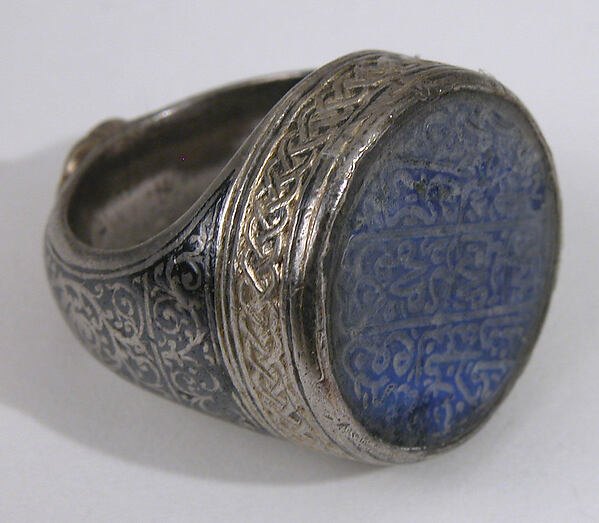
EXPLAINERA small seal ring can preserve a more specific piece of evidence than a much larger anonymous object.
EXPLAINERThe labels Avalokiteshvara and Guanyin can lead a first-time reader to assume that two figures are being discussed.
 EXPLAINER
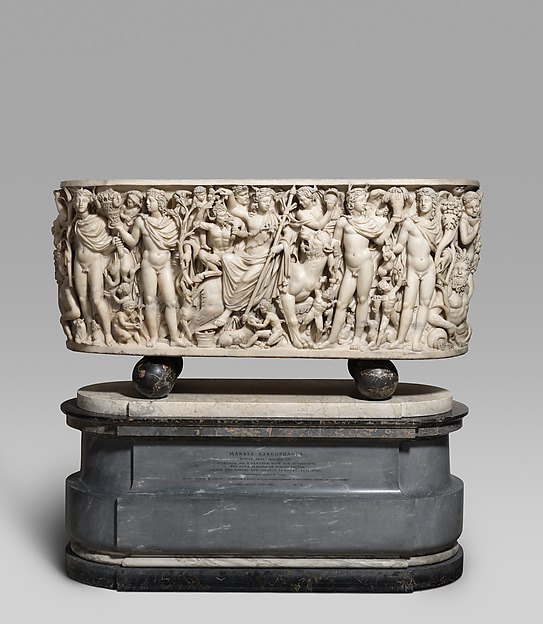
A sarcophagus with the triumph of Dionysos and the Seasons brings references to changing time into the setting of burial.
 EXPLAINER
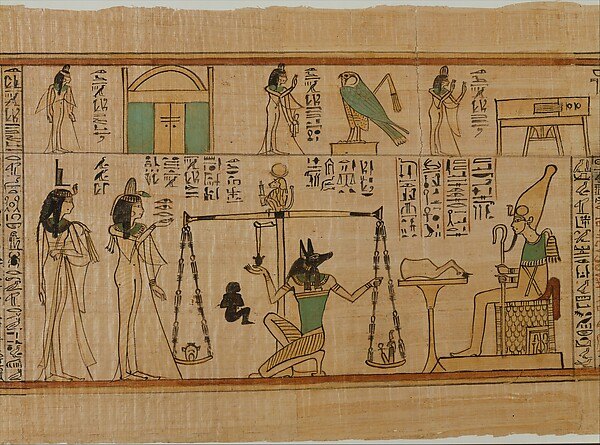
“Book of the Dead” sounds like the title of a single standard book.
EXPLAINERA museum label may identify a work as an ancestor figure without recording a personal name.
 EXPLAINER
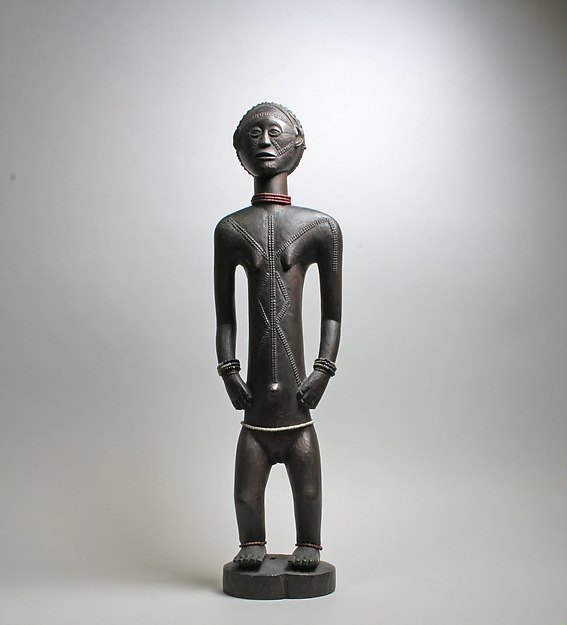
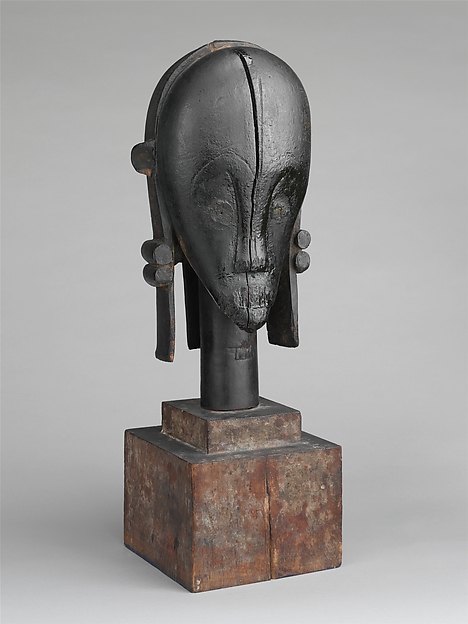
The Met gives two identifiers for this work, Nlô byeri and the English gloss “reliquary guardian head”.
EXPLAINERSearching for a philosopher by name and searching for a religious figure are often treated as separate activities.
 EXPLAINER
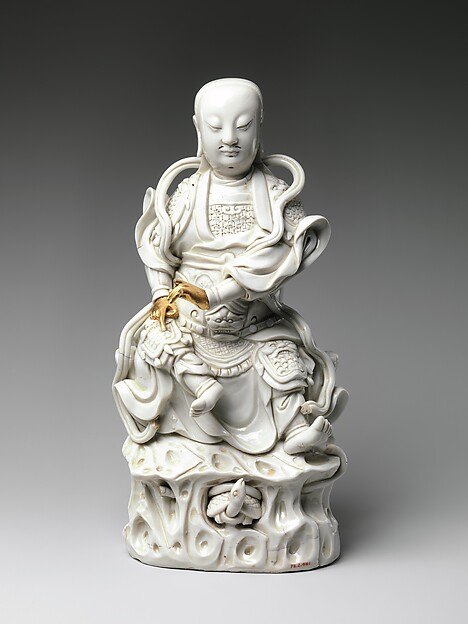
A porcelain figure asks the eye to follow contours, shadows and reflected light.
EXPLAINERA label that says “sage” can sound informative while leaving out the very thing that permits further enquiry.
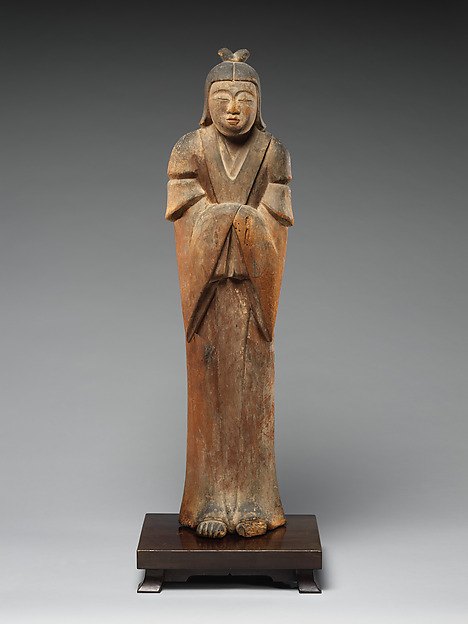
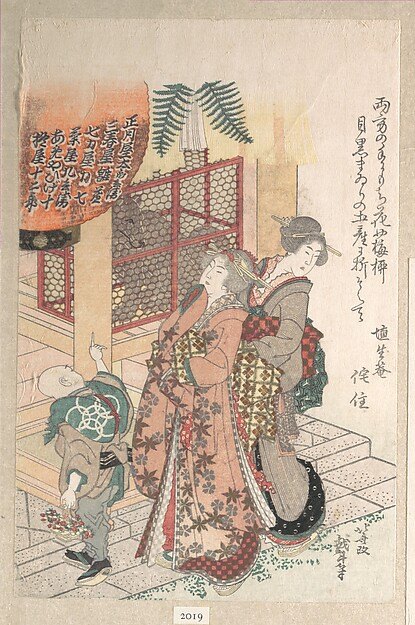
EXPLAINERAn image of young women visiting a Shinto shrine can tell us how an artist chose to present a visit.
 EXPLAINER
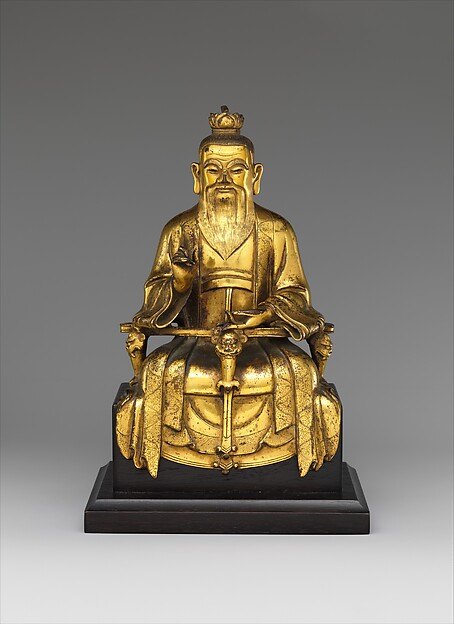
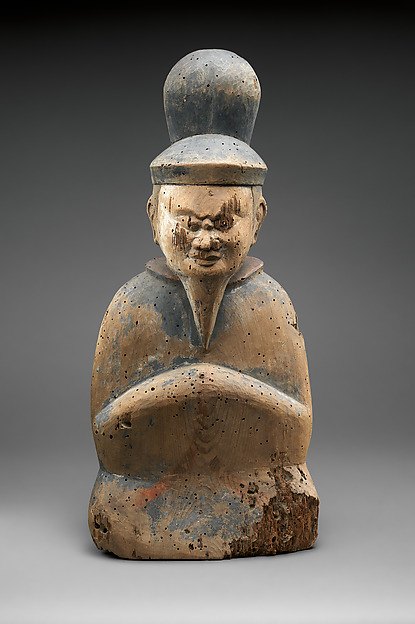
A deity presented as a seated courtier brings two visual languages into contact.
EXPLAINERA visitor encountering an unnamed figure may be tempted to fill the gap with the most familiar name from a tradition.
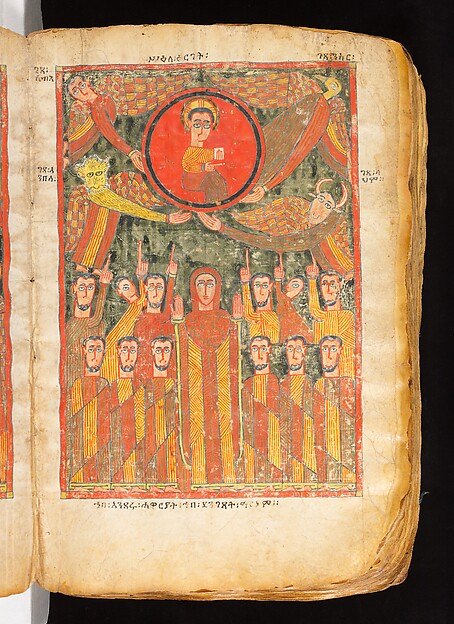
EXPLAINERA manuscript is often photographed as if one reader will study it in silence.
EXPLAINER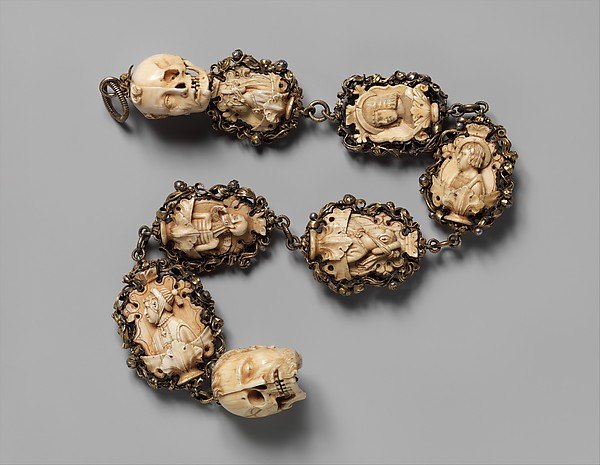 EXPLAINER
A sequence of beads turns counting into something the fingers can do.
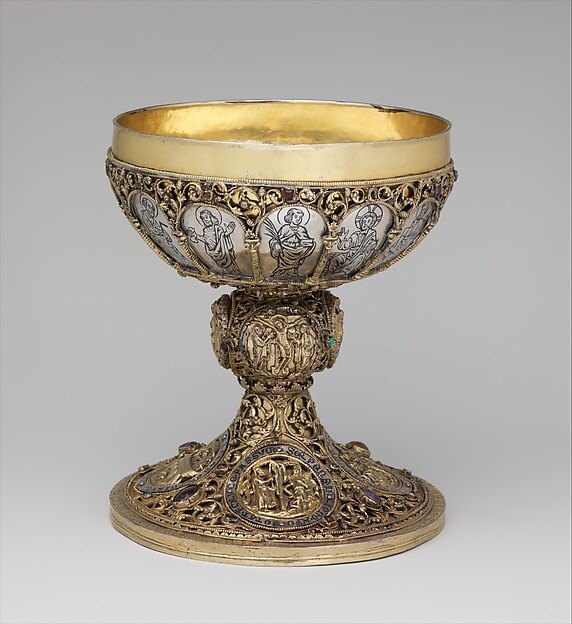 EXPLAINER
A vessel in a glass case first presents itself through silhouette and workmanship.
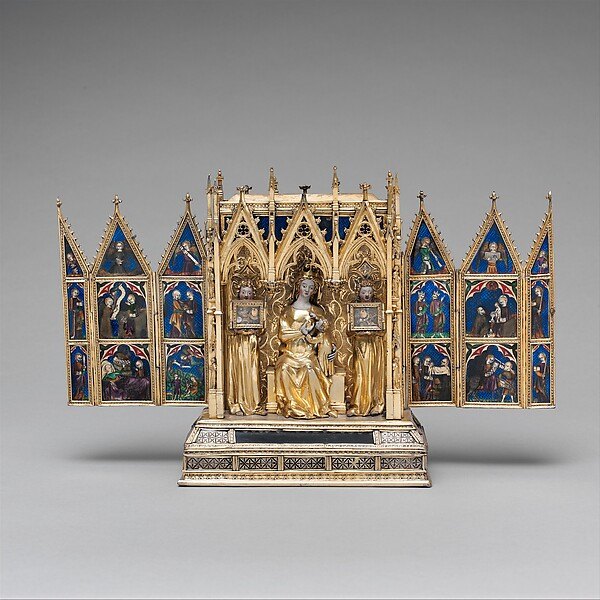 EXPLAINER
A reliquary is made to hold relics.
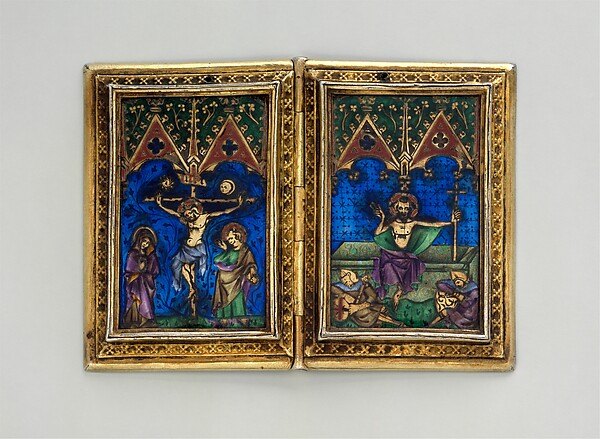 EXPLAINER
 EXPLAINER
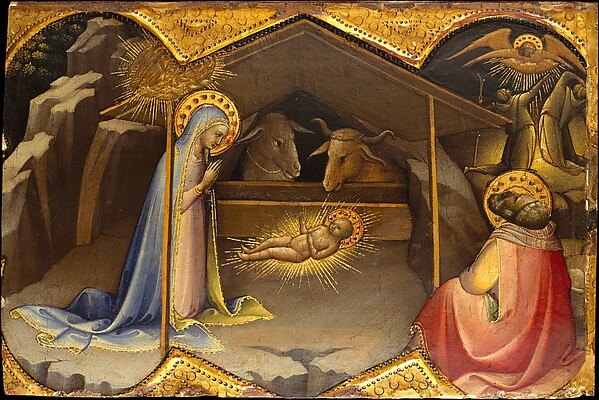
A title can make a Nativity picture seem inevitable, as if a familiar story naturally produced a single composition.
 EXPLAINER
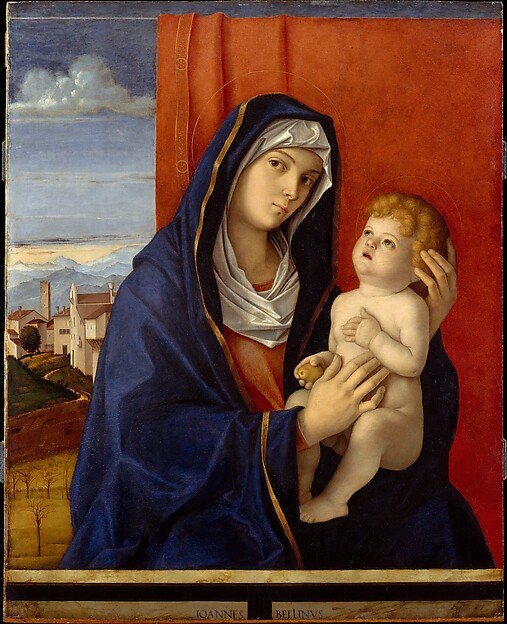
“Madonna and Child” identifies a relationship as well as two people.
EXPLAINERA scene from Esther can be told at the instant of a decision, a meeting or its aftermath.
 EXPLAINER
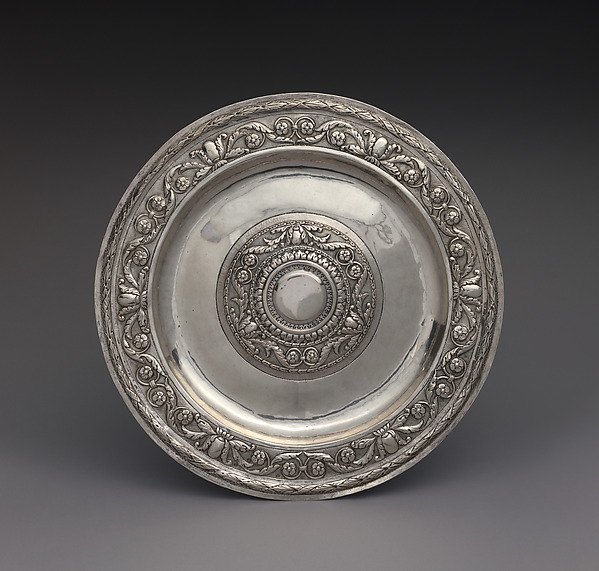
At a Passover seder, foods can prompt questions and retelling.
 EXPLAINER
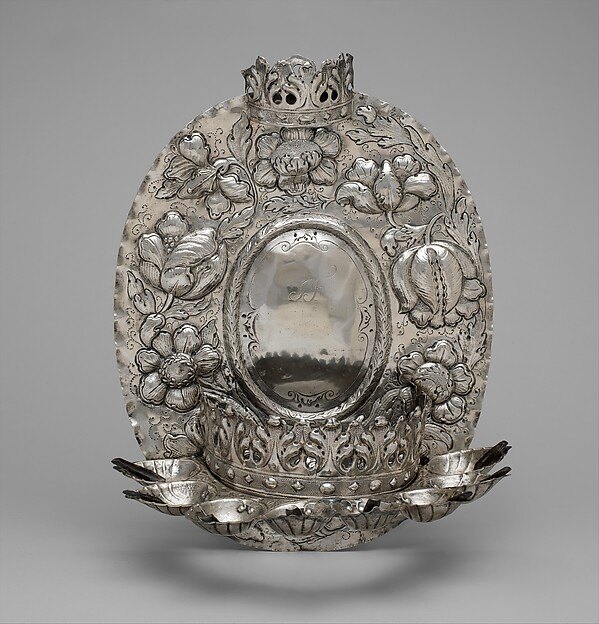
When a photograph is captioned simply “menorah”, the reader loses a useful opportunity to ask which lamp is shown.
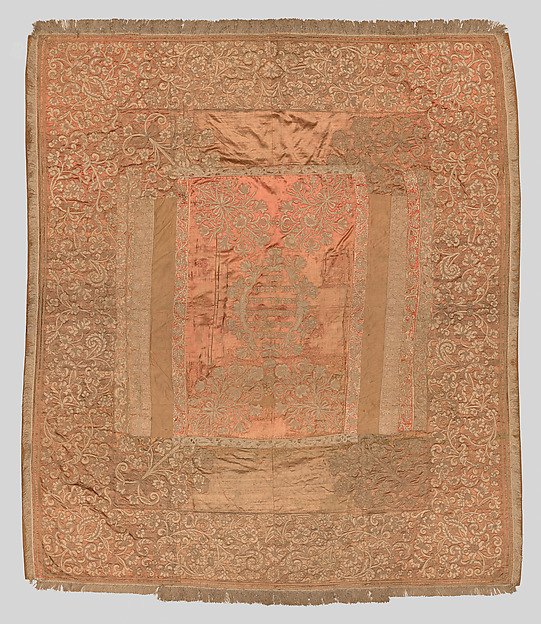 EXPLAINER
A Torah ark curtain draws a boundary that can be opened.
EXPLAINERTextiles can disappear from accounts of books because the writing commands so much attention.
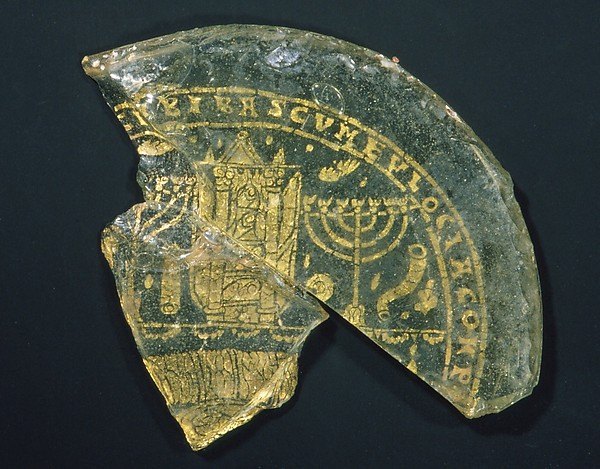
EXPLAINERA menorah, a shofar and a Torah ark give these bowl fragments an unusually dense vocabulary.
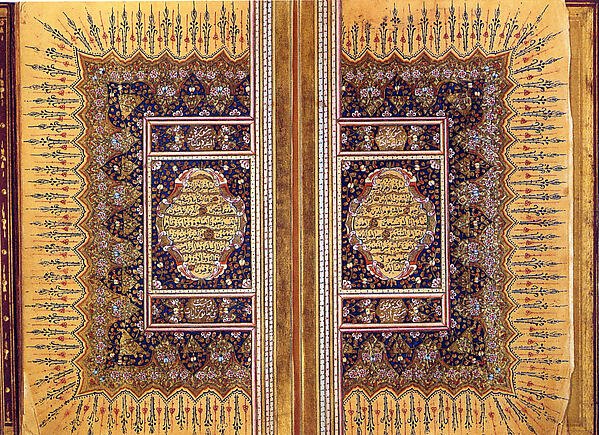 EXPLAINER
The word manuscript tells a reader something about production.
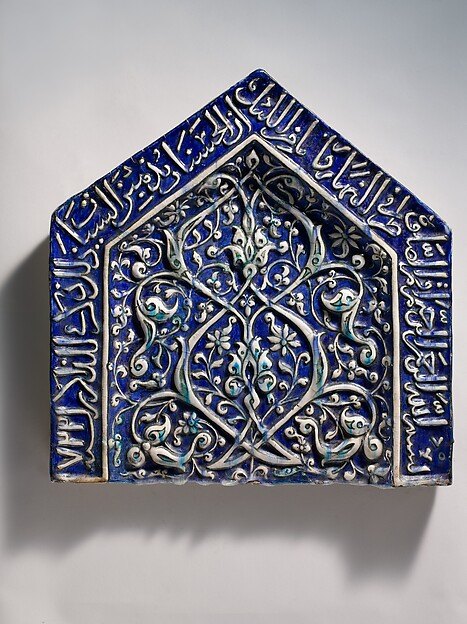 EXPLAINER
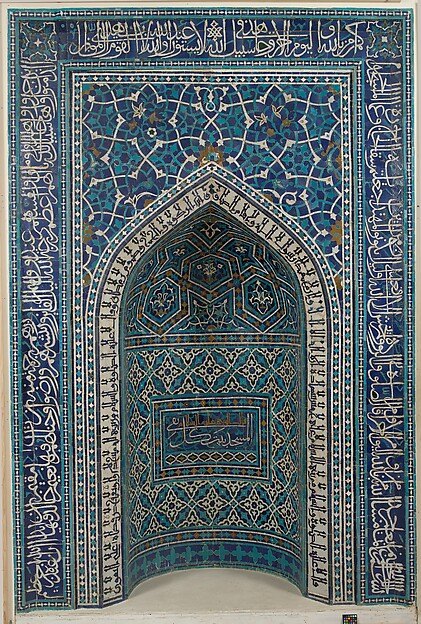
A tile from a mihrab is both a complete piece of ceramic work and part of an incomplete building.
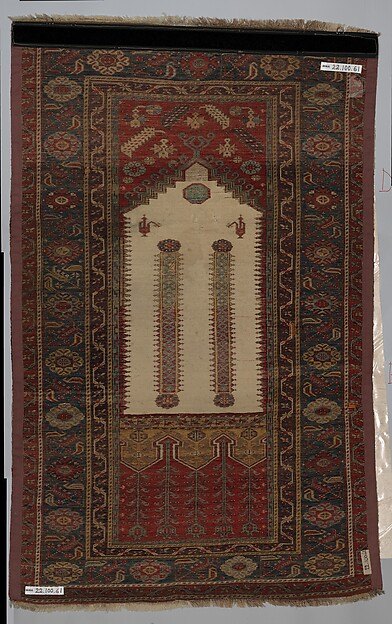
EXPLAINERPublished as a rectangular thumbnail, a rug can look like a pattern detached from human scale.
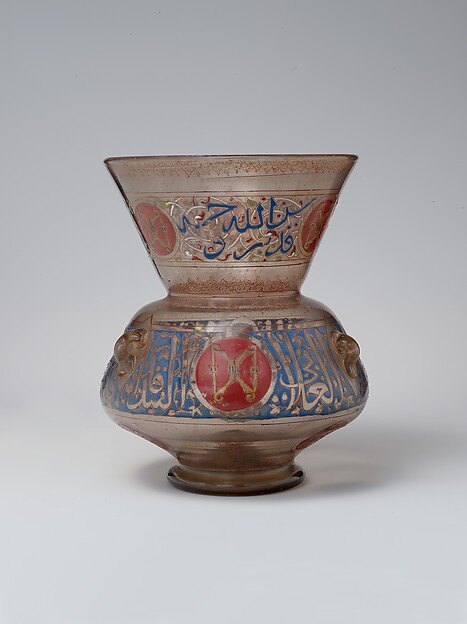
EXPLAINERA glass mosque lamp displayed in a museum receives light from outside.
EXPLAINER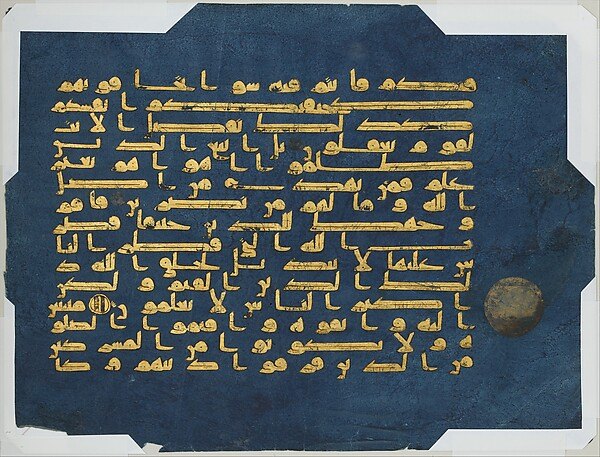 EXPLAINER
Readers accustomed to dark ink on pale paper meet the opposite relationship on this folio.
EXPLAINERA museum visitor looking for scripture might pass over its empty container.
EXPLAINERA bound book encourages a reader to see two pages at a time.
EXPLAINERA map made for a traveller answers questions about distance and direction.
EXPLAINER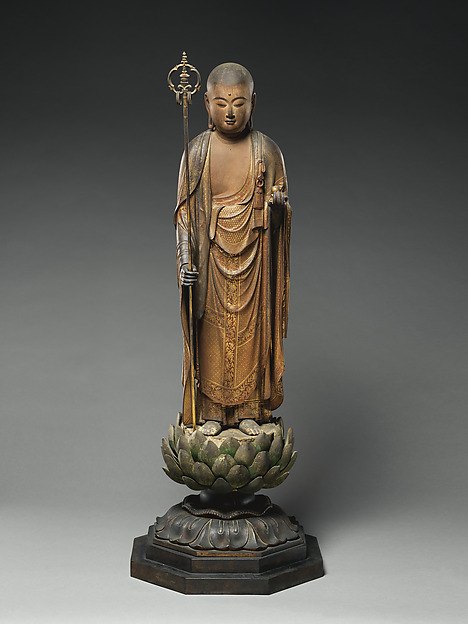 EXPLAINER
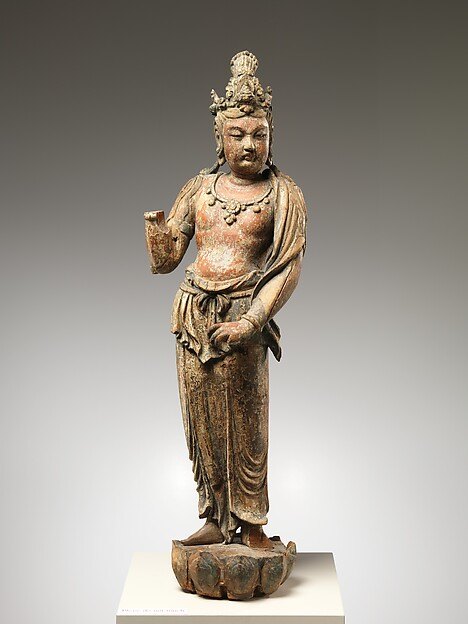
From across a gallery, colour can make a wooden figure look almost seamless.
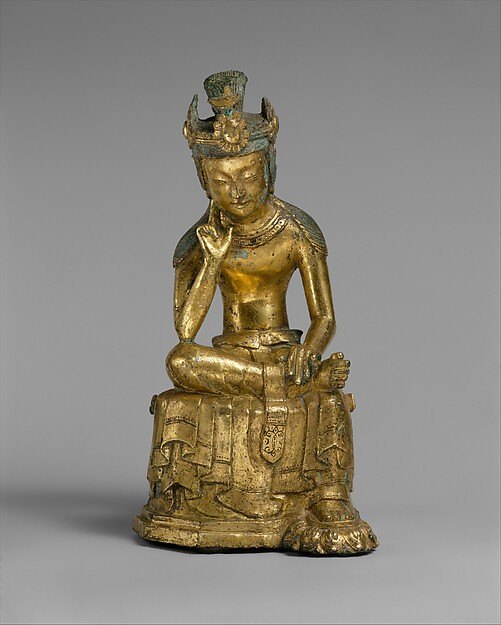
EXPLAINERBefore trying to identify the figure in a pensive bodhisattva, look at the space between hand and face.
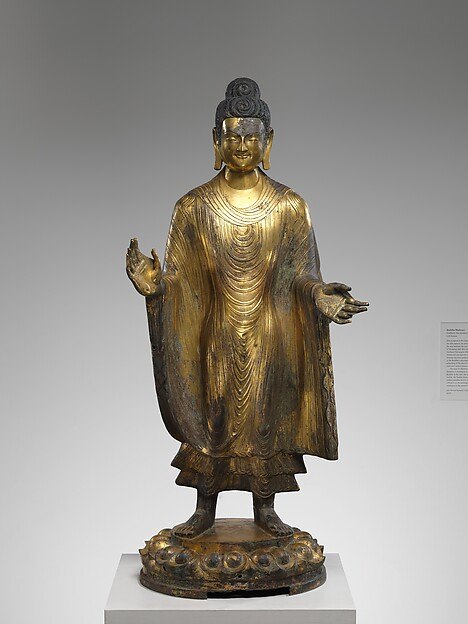
EXPLAINERA caption that reads only “Buddha” misses a distinction carried by this bronze.
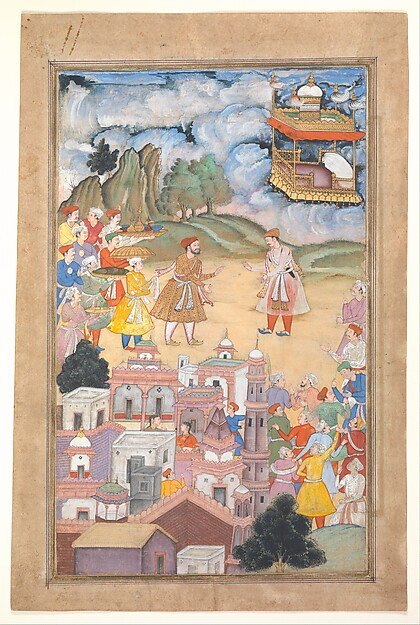
EXPLAINERA painted encounter between King Sal and Kala Yavana once belonged to a longer telling of the Harivamsa.
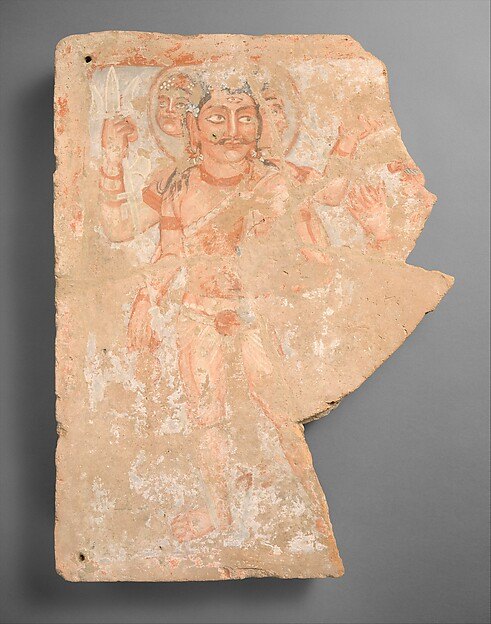
EXPLAINERThe name Shiva/Oesho on a panel fragment is an unusually economical way of admitting complexity.
EXPLAINERA catalogue title can steer the eye before a visitor has even seen the picture.
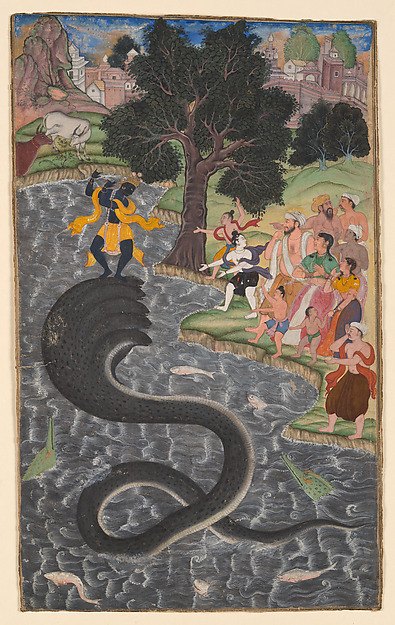
EXPLAINERA dancing figure above a serpent makes an irresistible silhouette.
EXPLAINERA mountain lifted on one hand is the easiest detail to remember.