 EXPLAINER
Indigenous Faiths
How a term for living worlds entered anthropology
Animism (from Latin: meaning 'breath, spirit, life') is the belief that objects, places, and creatures all possess a distinct spiritual essence.
 EXPLAINER
Animism (from Latin: meaning 'breath, spirit, life') is the belief that objects, places, and creatures all possess a distinct spiritual essence.
 EXPLAINEREXPLAINEREXPLAINEREXPLAINER
Inuit religion is the shared spiritual beliefs and practices of the Inuit, an indigenous people from Alaska, northern Canada, parts of Siberia and Greenland.
EXPLAINERThe Dreaming, also referred to as Dreamtime, is a term devised by early anthropologists to refer to a religio-cultural worldview attributed to Australian Aboriginal beliefs.
EXPLAINERMāori mythology and Māori traditions are two major categories into which the remote oral history of New Zealand's Māori may be divided.
EXPLAINERA reporter arriving only for a festival will see what is meant to be visible that day.
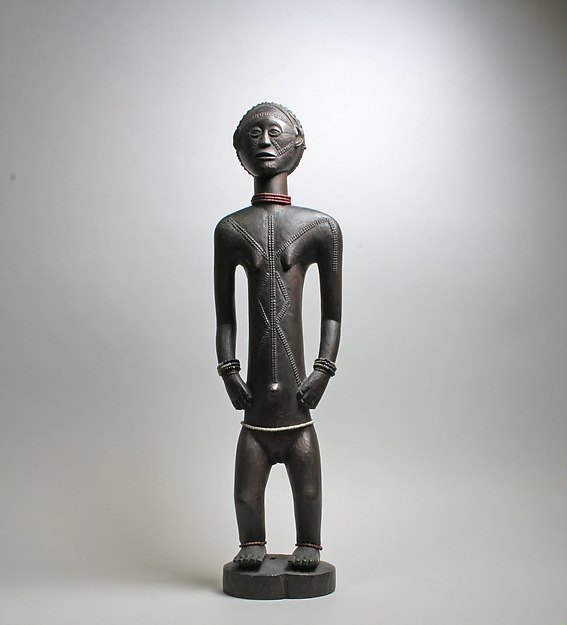
EXPLAINERA museum label may identify a work as an ancestor figure without recording a personal name.
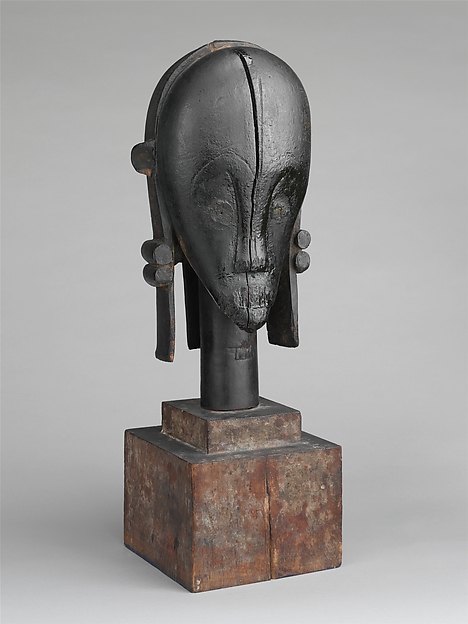
EXPLAINERThe Met gives two identifiers for this work, Nlô byeri and the English gloss “reliquary guardian head”.