 EXPLAINER
Sikhism
Why an unnamed Sikh noble should stay unnamed in a caption
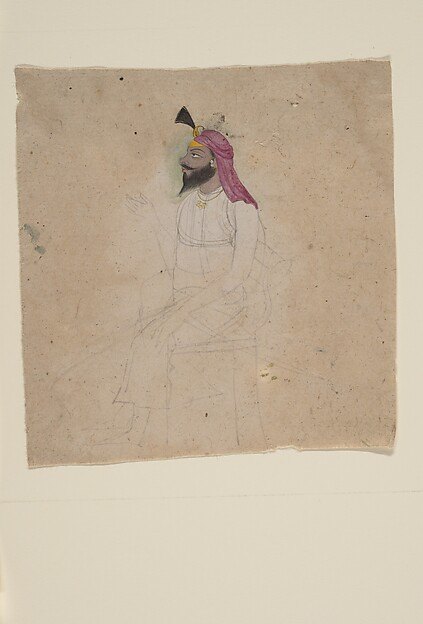
The title Portrait of a Sikh Noble gives the viewer an identity in broad terms while leaving the sitter’s name open.

50 result(s) for “sacred art”
EXPLAINERThe title Portrait of a Sikh Noble gives the viewer an identity in broad terms while leaving the sitter’s name open.
 EXPLAINER
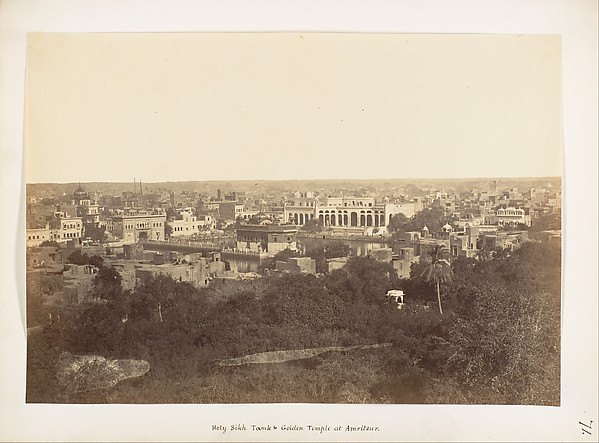
In the title of this historical photograph, the sacred tank and the Golden Temple appear together.
 EXPLAINER
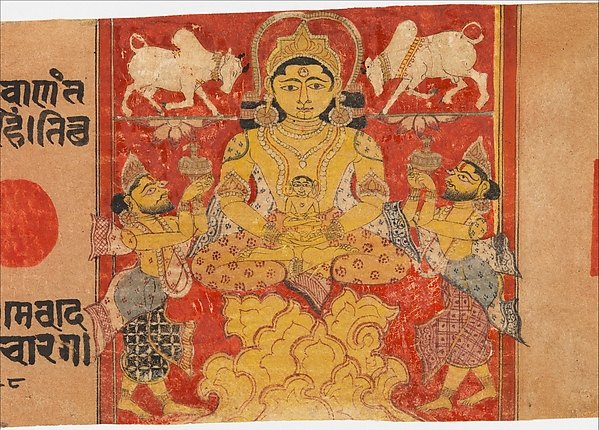
In this painted page from a Kalpasutra manuscript, the infant Mahavira receives a ceremonial bathing.
 EXPLAINER
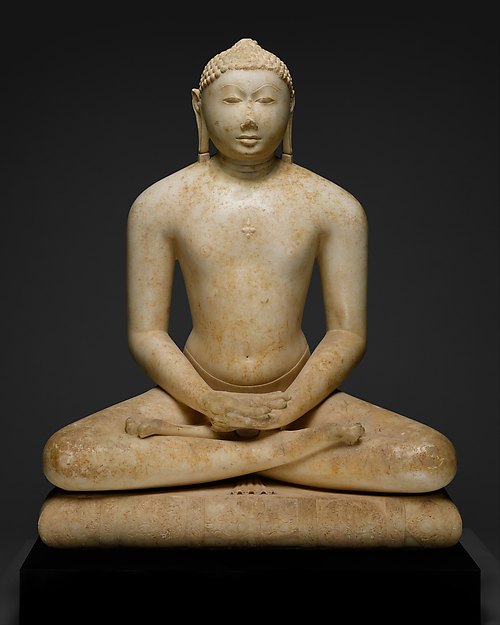
The Met identifies this seated figure as a Jain Svetambara tirthankara and suggests that it probably represents Mahavira.
 EXPLAINER
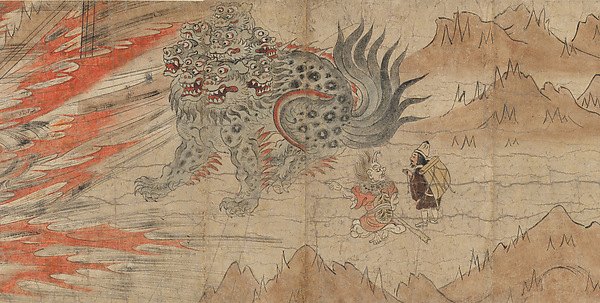
A handscroll gives a story an order shaped by the movement of hands.
 EXPLAINER
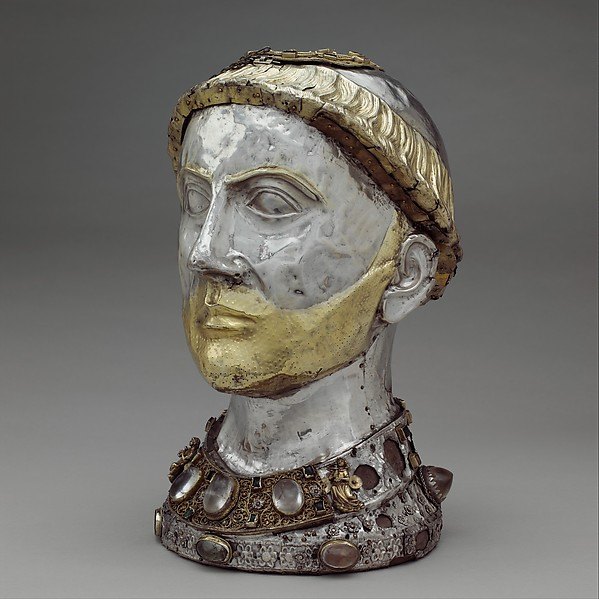
A reliquary bust brings the form of a person into the work of keeping a relic.
 EXPLAINER
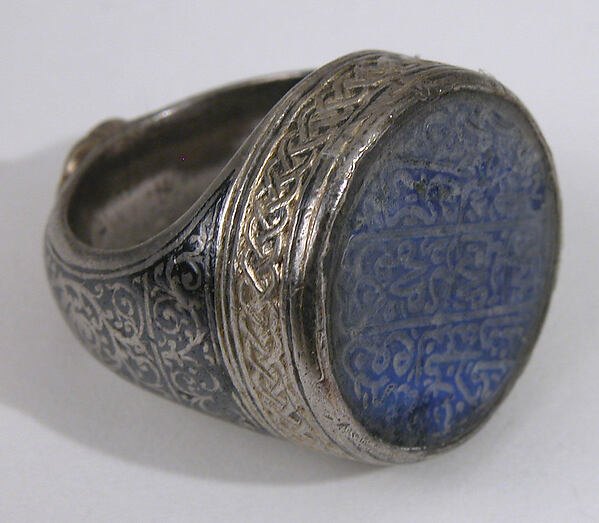
A small seal ring can preserve a more specific piece of evidence than a much larger anonymous object.
 EXPLAINER
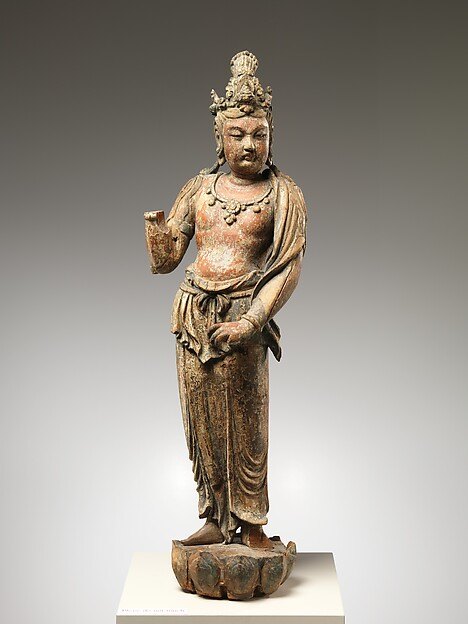
The labels Avalokiteshvara and Guanyin can lead a first-time reader to assume that two figures are being discussed.
 EXPLAINER
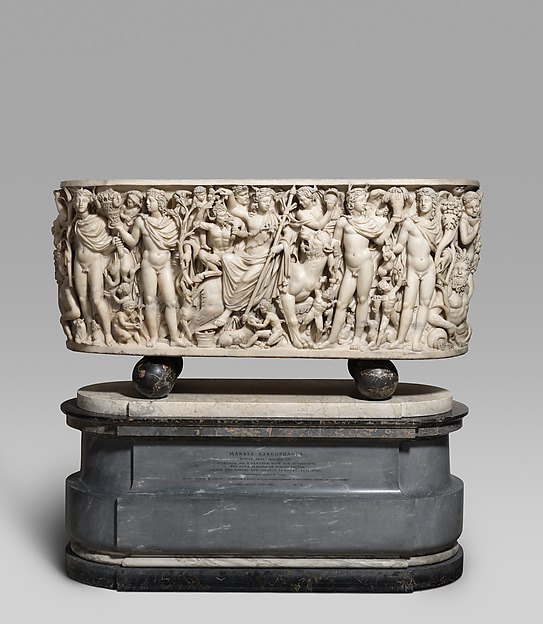
A sarcophagus with the triumph of Dionysos and the Seasons brings references to changing time into the setting of burial.
 EXPLAINER
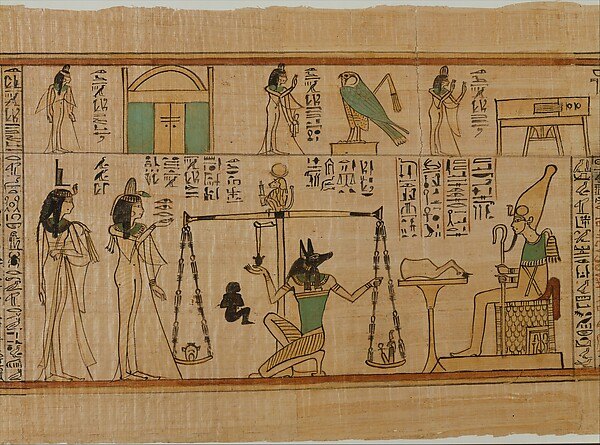
“Book of the Dead” sounds like the title of a single standard book.
 EXPLAINER
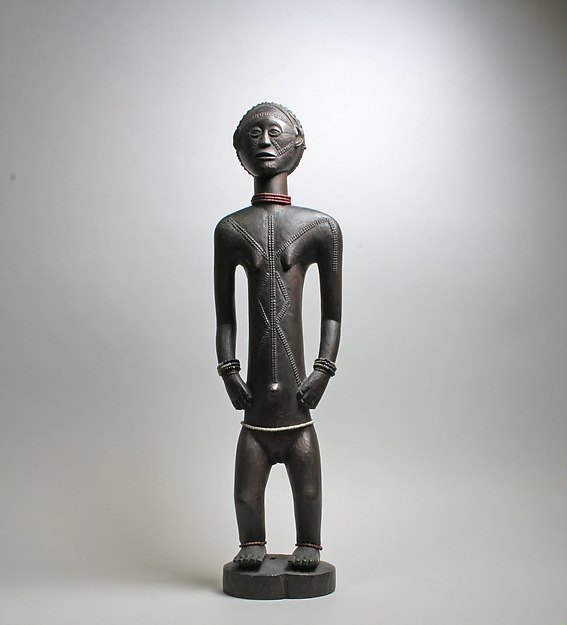
A museum label may identify a work as an ancestor figure without recording a personal name.
 EXPLAINER
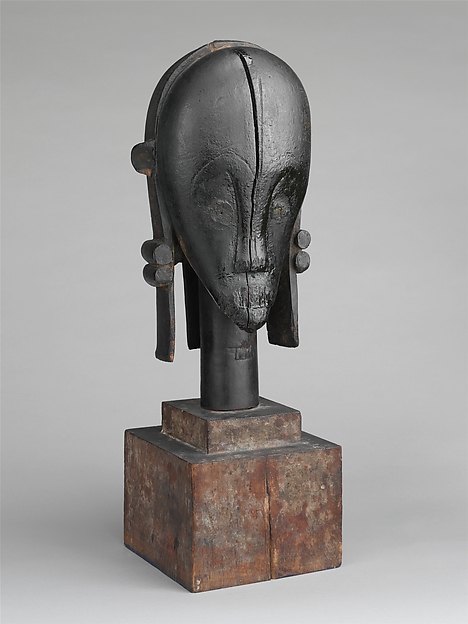
The Met gives two identifiers for this work, Nlô byeri and the English gloss “reliquary guardian head”.
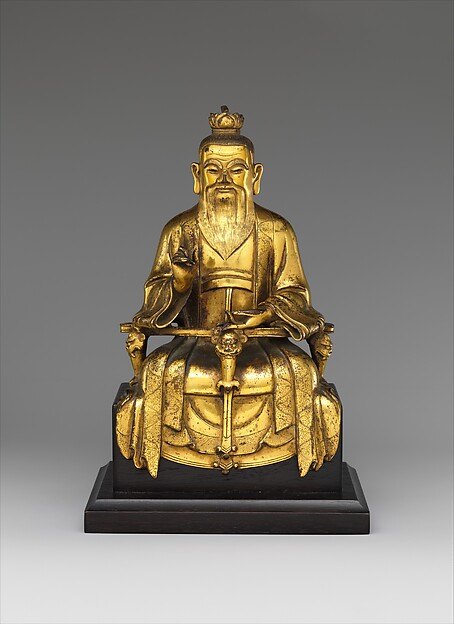 EXPLAINER
Searching for a philosopher by name and searching for a religious figure are often treated as separate activities.
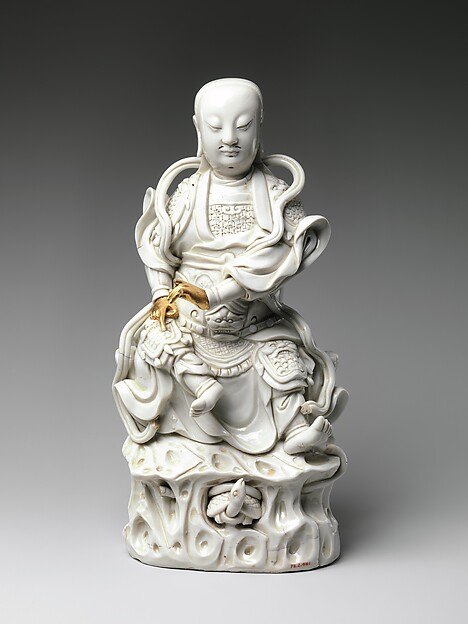 EXPLAINER
A porcelain figure asks the eye to follow contours, shadows and reflected light.
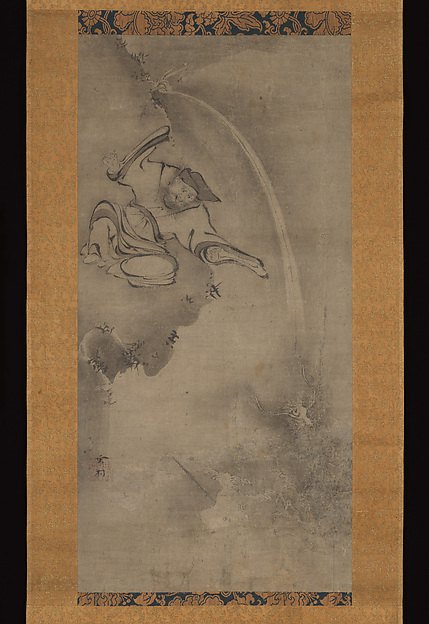 EXPLAINER
A label that says “sage” can sound informative while leaving out the very thing that permits further enquiry.
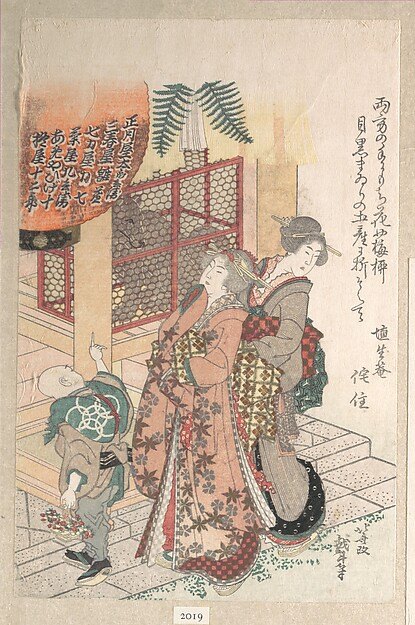 EXPLAINER
An image of young women visiting a Shinto shrine can tell us how an artist chose to present a visit.
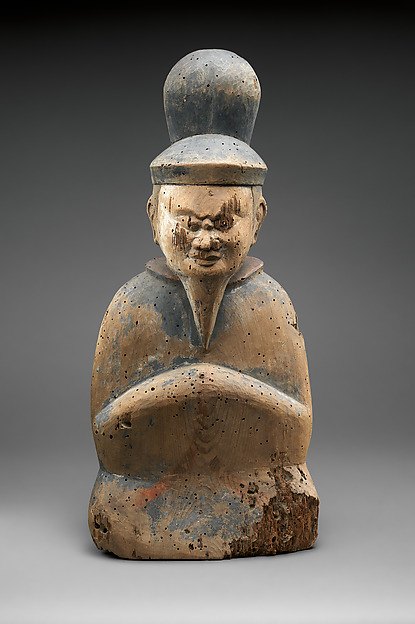 EXPLAINER
A deity presented as a seated courtier brings two visual languages into contact.
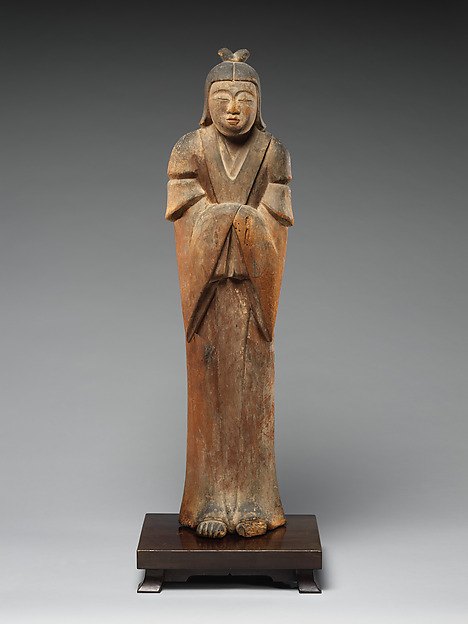 EXPLAINER
A visitor encountering an unnamed figure may be tempted to fill the gap with the most familiar name from a tradition.
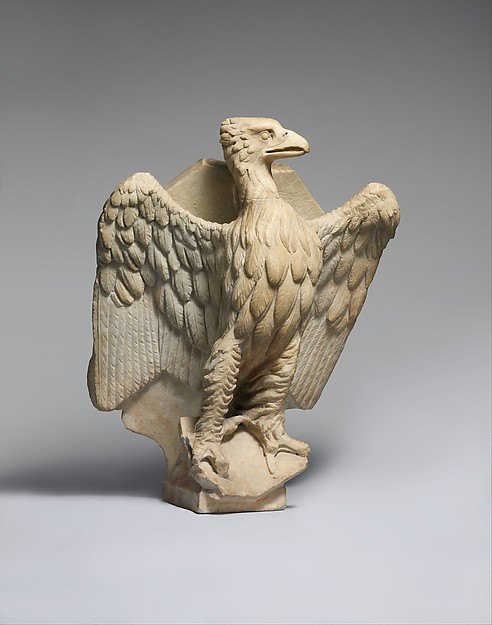 EXPLAINER
A manuscript is often photographed as if one reader will study it in silence.
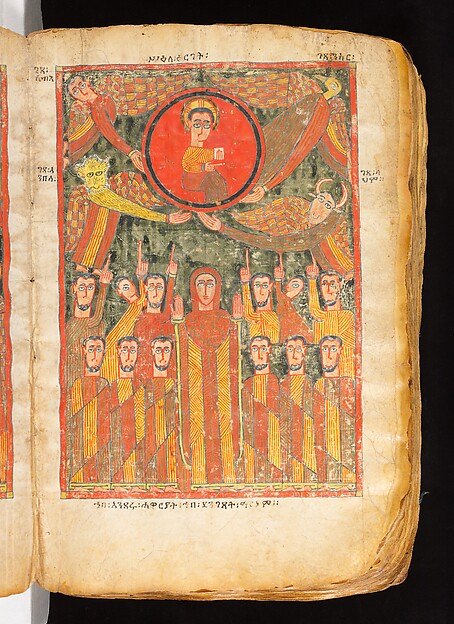 EXPLAINER
 EXPLAINER
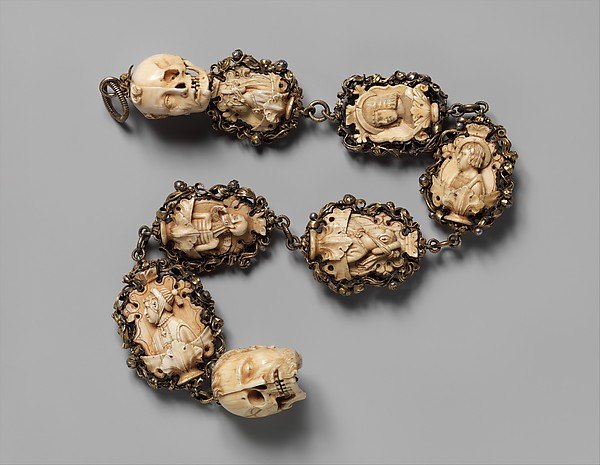
A sequence of beads turns counting into something the fingers can do.
 EXPLAINER
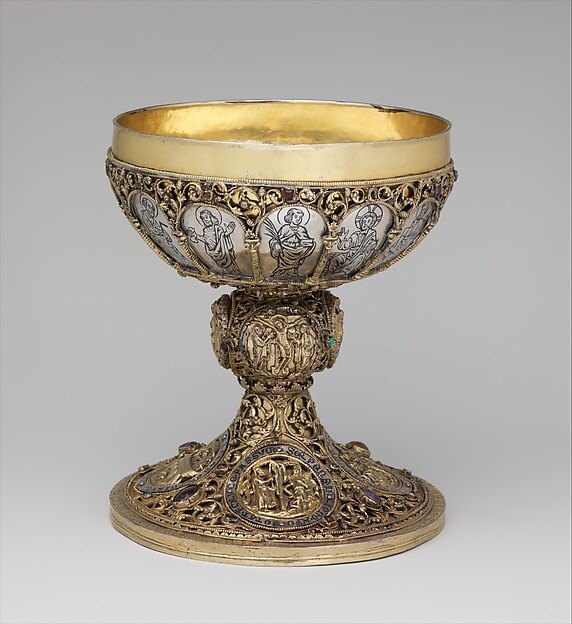
A vessel in a glass case first presents itself through silhouette and workmanship.
 EXPLAINER
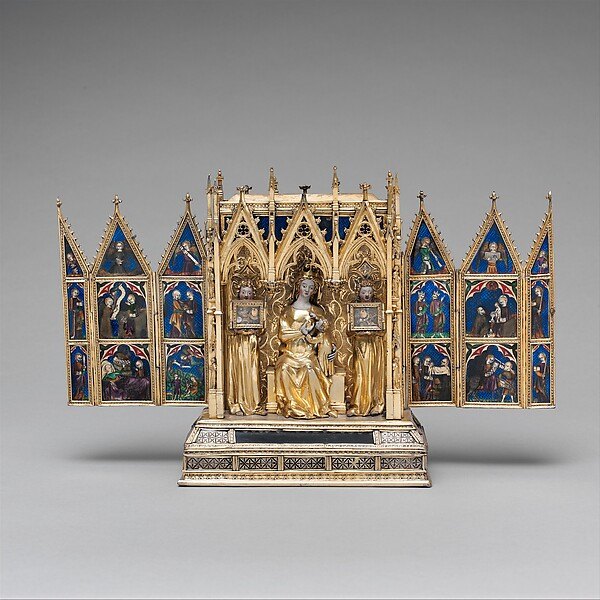
A reliquary is made to hold relics.
 EXPLAINER
 EXPLAINER
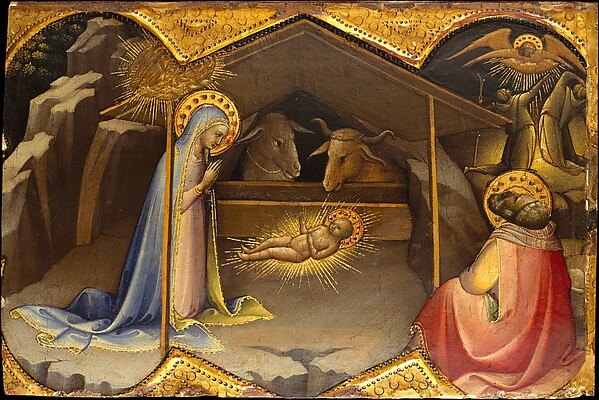
A title can make a Nativity picture seem inevitable, as if a familiar story naturally produced a single composition.
 EXPLAINER
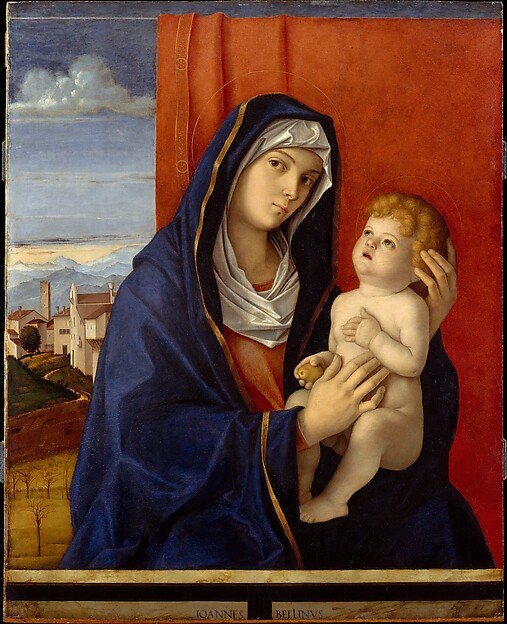
“Madonna and Child” identifies a relationship as well as two people.
 EXPLAINER
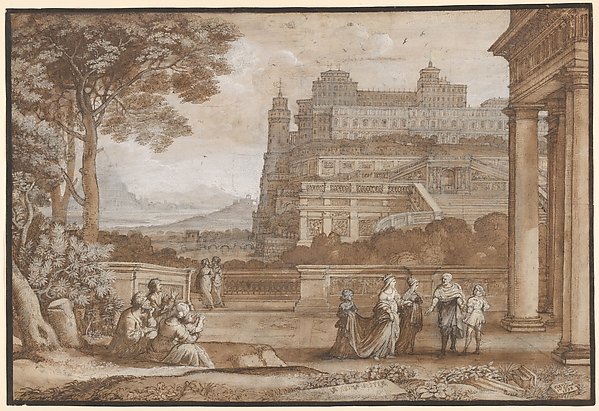
A scene from Esther can be told at the instant of a decision, a meeting or its aftermath.
 EXPLAINER
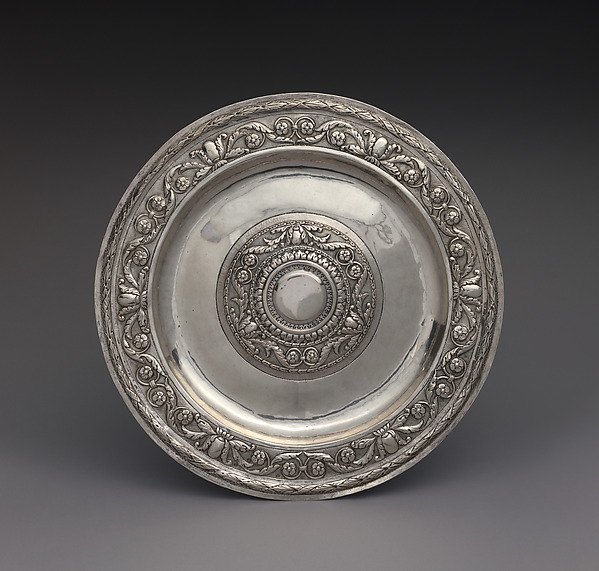
At a Passover seder, foods can prompt questions and retelling.
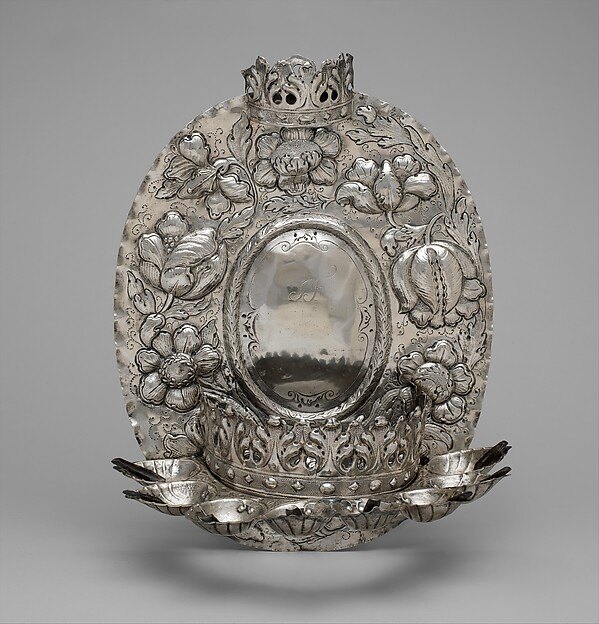 EXPLAINER
When a photograph is captioned simply “menorah”, the reader loses a useful opportunity to ask which lamp is shown.
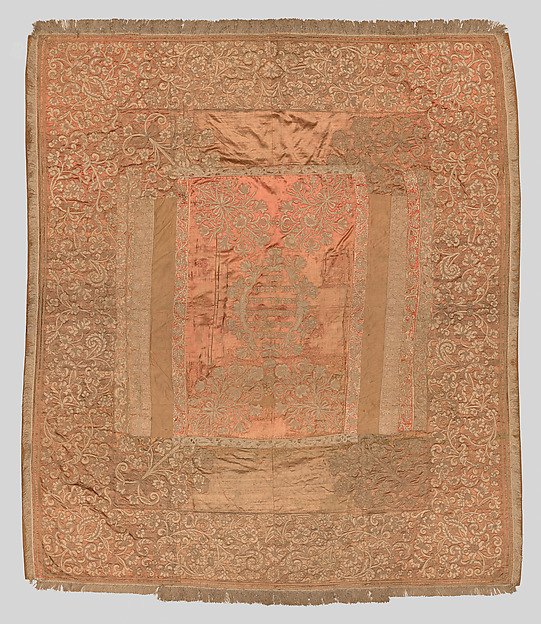 EXPLAINER
A Torah ark curtain draws a boundary that can be opened.
 EXPLAINER
Textiles can disappear from accounts of books because the writing commands so much attention.
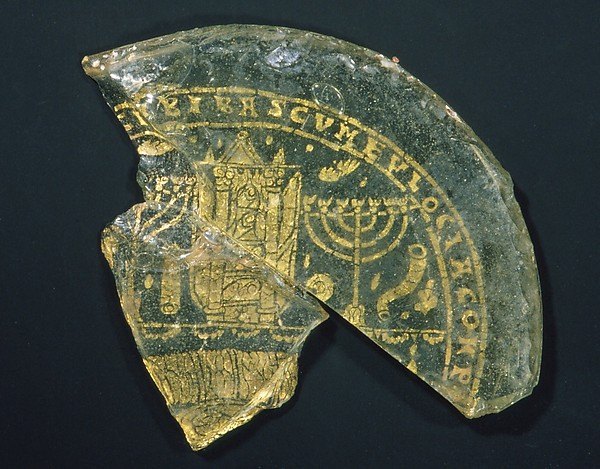 EXPLAINER
A menorah, a shofar and a Torah ark give these bowl fragments an unusually dense vocabulary.
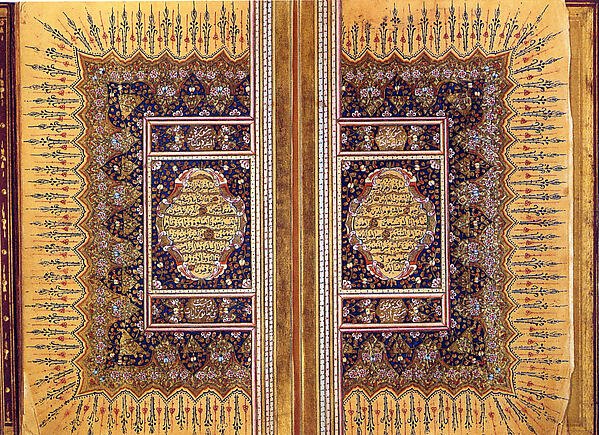 EXPLAINER
The word manuscript tells a reader something about production.
 EXPLAINER
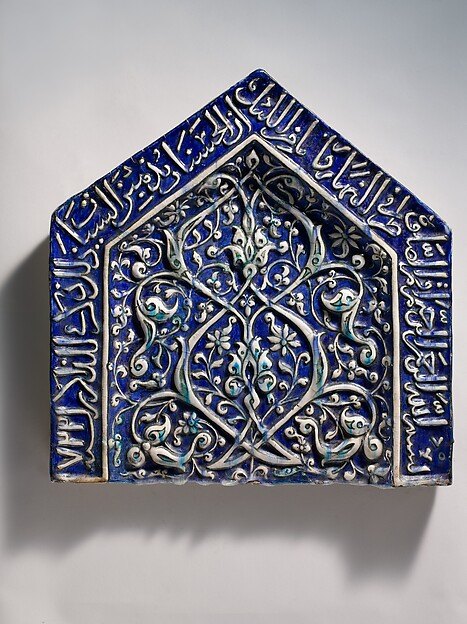
A tile from a mihrab is both a complete piece of ceramic work and part of an incomplete building.
 EXPLAINER
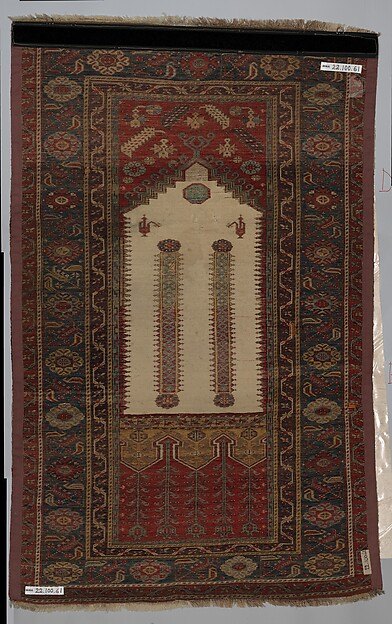
Published as a rectangular thumbnail, a rug can look like a pattern detached from human scale.
 EXPLAINER
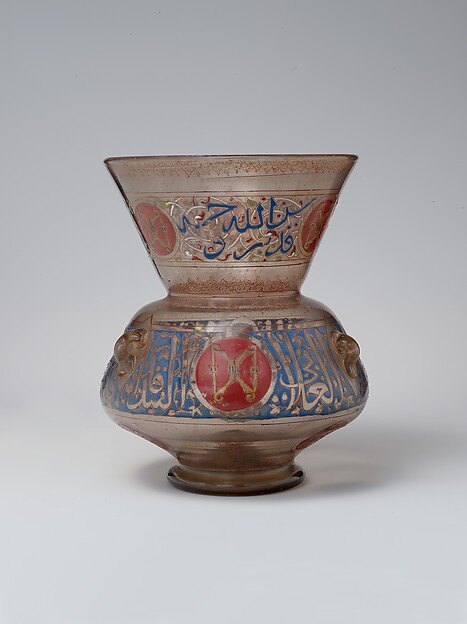
A glass mosque lamp displayed in a museum receives light from outside.
 EXPLAINER
 EXPLAINER
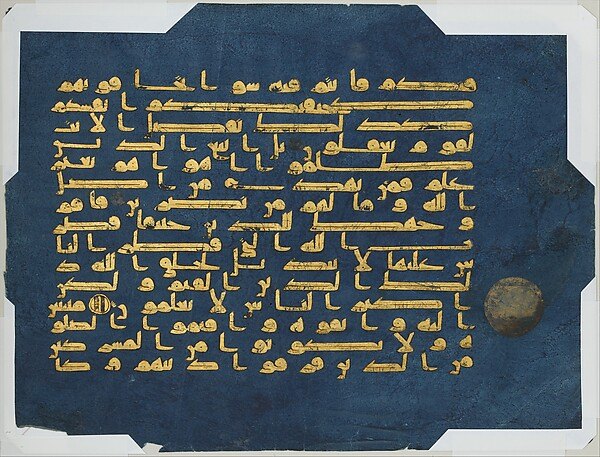
Readers accustomed to dark ink on pale paper meet the opposite relationship on this folio.
 EXPLAINER
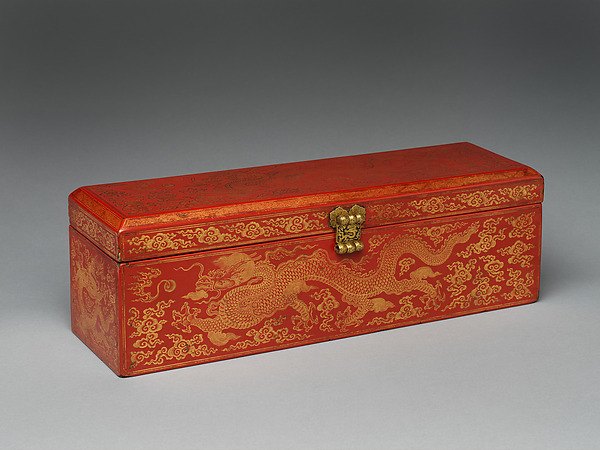
A museum visitor looking for scripture might pass over its empty container.
 EXPLAINER
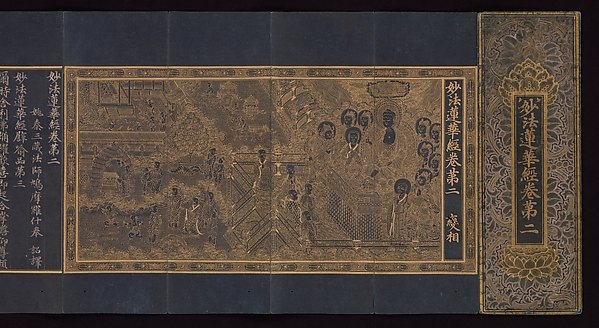
A bound book encourages a reader to see two pages at a time.
 EXPLAINER
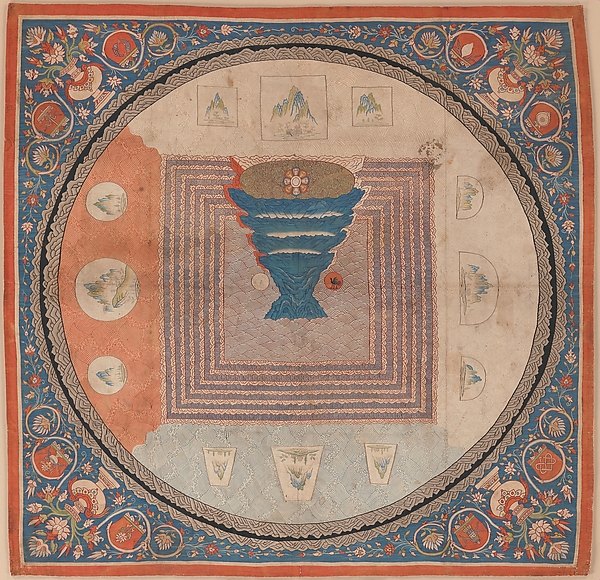
A map made for a traveller answers questions about distance and direction.
 EXPLAINER
 EXPLAINER
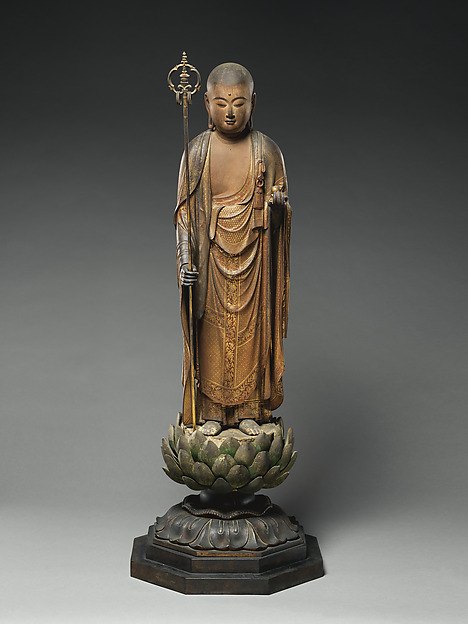
From across a gallery, colour can make a wooden figure look almost seamless.
 EXPLAINER
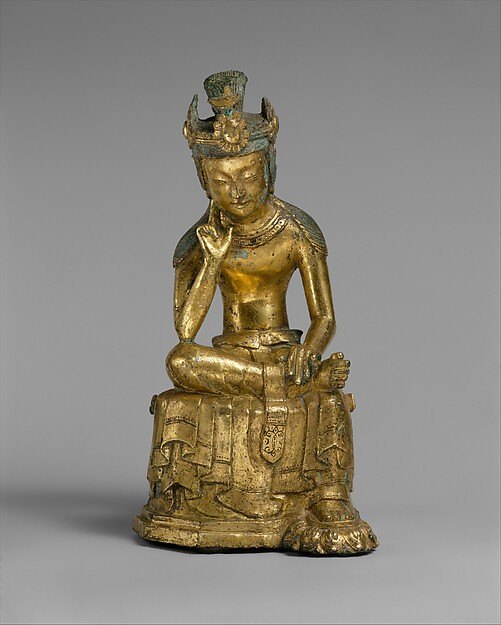
Before trying to identify the figure in a pensive bodhisattva, look at the space between hand and face.
 EXPLAINER
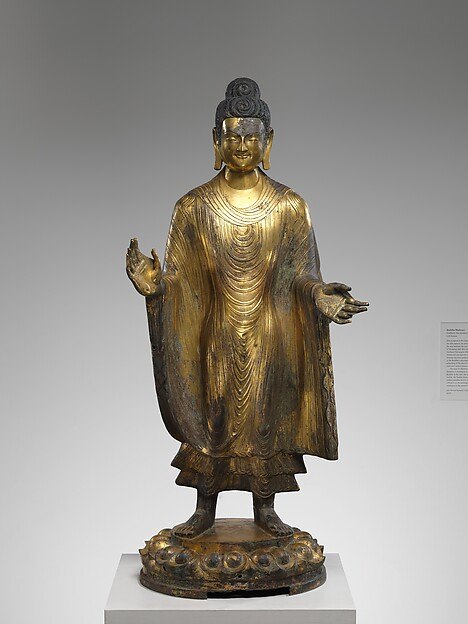
A caption that reads only “Buddha” misses a distinction carried by this bronze.
 EXPLAINER
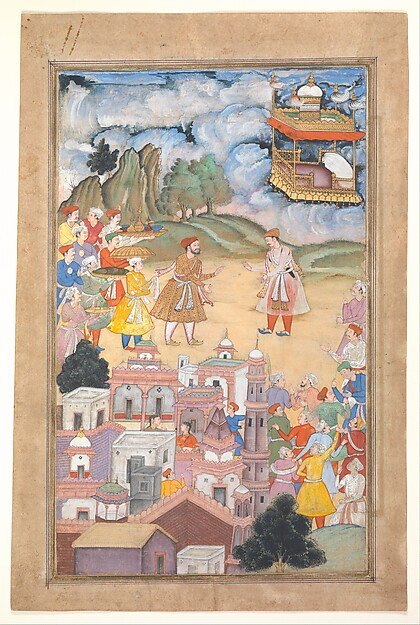
A painted encounter between King Sal and Kala Yavana once belonged to a longer telling of the Harivamsa.
 EXPLAINER
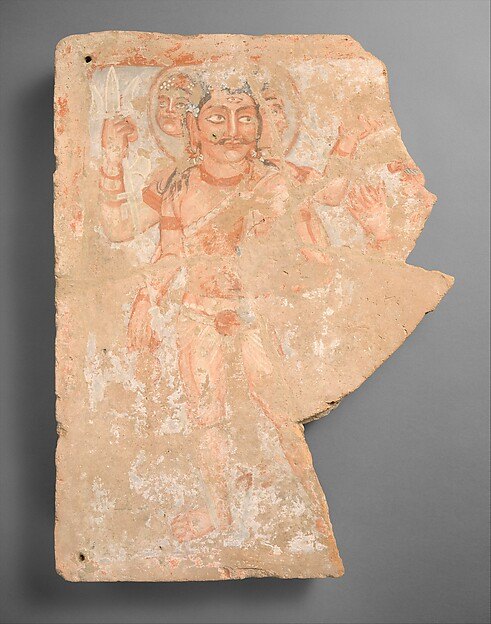
The name Shiva/Oesho on a panel fragment is an unusually economical way of admitting complexity.
 EXPLAINER
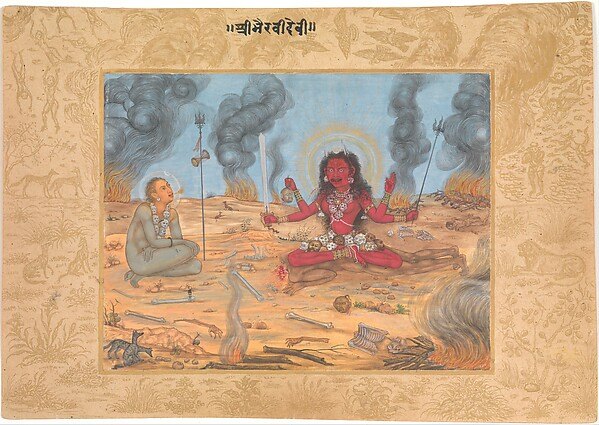
A catalogue title can steer the eye before a visitor has even seen the picture.
 EXPLAINER
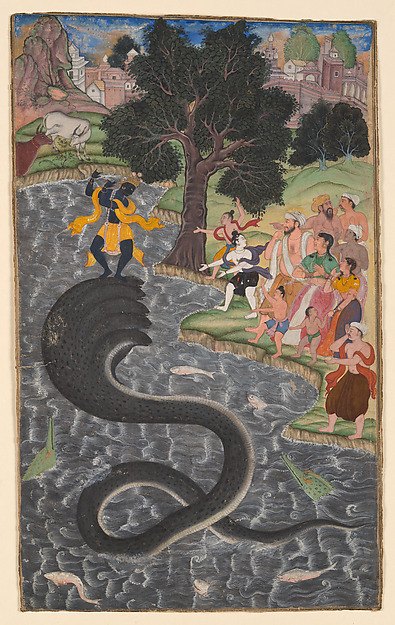
A dancing figure above a serpent makes an irresistible silhouette.
 EXPLAINER
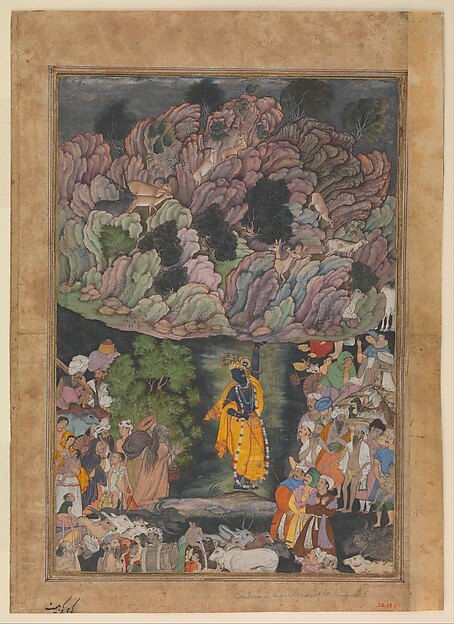
A mountain lifted on one hand is the easiest detail to remember.