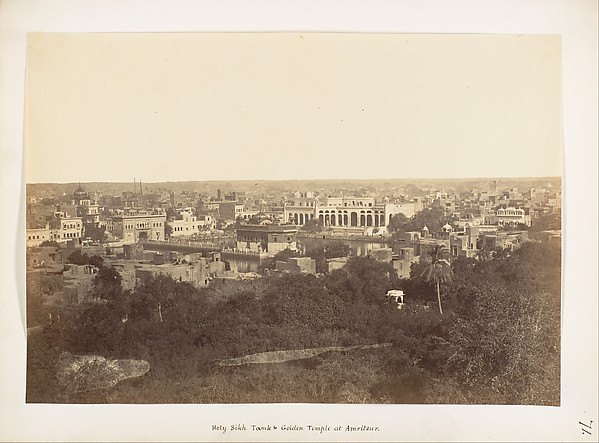
A frame shows where someone stood.
A frame shows where someone stood. It seldom shows who gave permission, what instructions the photographer offered or why the picture entered an archive. A caption can restore part of that history. For a photograph of worship, record who made the image, when it was made and what participants called the event. If a date or identification remains uncertain, that uncertainty belongs in the caption too.
Photography
Photography is a way of making a picture using a camera. A person who makes pictures using a camera is called a photographer. A picture made using a camera is called a photograph or photo. Photography became popular in the middle 19th century with Daguerreotype. Later wet plate and dry plate methods were invented. Most photography in the 20th century was on photographic film and most in the 21st uses digital cameras.
Camera
A camera is, in its simplest form, a box with a hole in its front. There is a special piece of glass in front of the hole called a lens. To take a photograph, the lens makes a small picture of the object inside the camera, which it does by focusing light. A lens in a camera works like a lens in glasses (spectacles) or a magnifying glass. One type of camera called the Pinhole camera has no lens but uses a very small hole to focus light.
To make a photograph with a camera, the shutter release button is pressed. Pressing the button opens the shutter. The shutter is like a door. It covers the hole in the camera box. The shutter is behind the lens. When the shutter is closed no light can enter the camera box. When the shutter is open light can enter the camera. When the button is pressed the shutter opens and then closes. This happens very fast. The amount of time the shutter stays open for is called the shutter speed. The shutter speed can change between 1/1000th of a second (0.001 s) to a few seconds. Normally the time taken for the shutter to open and close is far less than 1 second.
Film
The picture the lens makes is recorded on photographic film. Film is placed inside the camera box. Light coming through the lens, aperture and open shutter shines on the film. Photographic film is coated with chemicals that react when light shines on it. Letting light shine on the film is called exposing the film.
There are many different types of photographic film. There are films for taking colour photographs and films for taking black and white photographs. There are different sizes of film. The most common size is 35 mm. It is called 35 mm because the width of the film is 35 millimetres.
Another difference between films is how sensitive they are to light. Films have a number, called an ISO number, which tells how fast a film reacts when light shines on it.
Film Processing
Once the film has been exposed it is processed. Processing has to be done in total darkness or the film will be exposed too much and the picture will be lost. Processing stops the film reacting to light any more. After the film has been processed the picture can be seen on the film.
Background reading selected and abridged from Photography by Wikipedia contributors (November 2023 edition), under CC BY-SA 4.0. The linked histories identify contributing authors.