A visitor can spend ten minutes with a small devotional object and learn its material, its date and its donor without learning what anyone ever did with it.
A visitor can spend ten minutes with a small devotional object and learn its material, its date and its donor without learning what anyone ever did with it. A museum label has room for one more verb. Was the object carried, clothed, washed, touched, opened or deliberately concealed? A named community or practitioner can sometimes answer that question. Recording their answer also makes clear whose interpretation the visitor is hearing.
Religious art
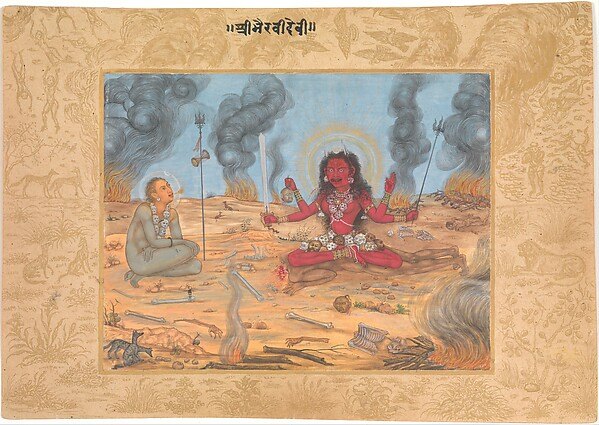
Religious art is a visual representation of religious ideologies and their relationship with humans. Sacred art directly relates to religious art in the sense that its purpose is for worship and religious practices. According to one set of definitions, artworks that are inspired by religion but are not considered traditionally sacred remain under the umbrella term of religious art, but not sacred art.
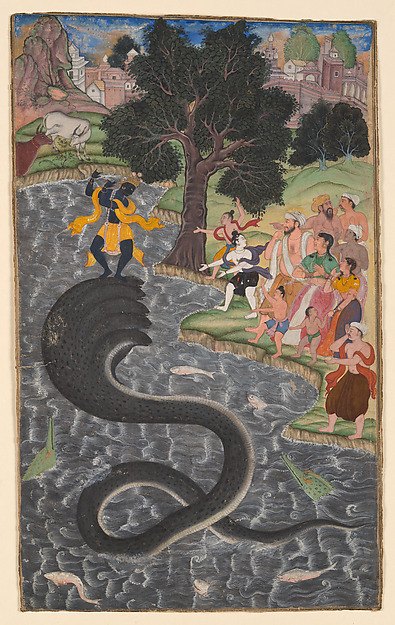
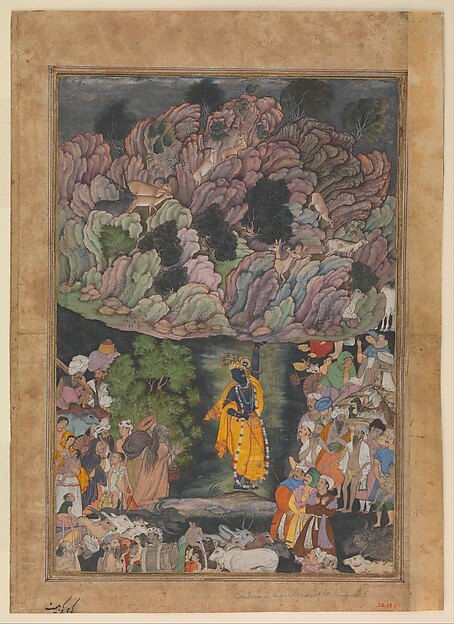
Other terms often used for art of various religions are cult image, usually for the main image in a place of worship, icon in its more general sense (not restricted to Eastern Orthodox images), and "devotional image" usually meaning a smaller image for private prayer or worship. Images can often be divided into "iconic images", just showing one or more figures, and "narrative images" showing moments from an episode or story involving sacred figures.
The use of images has been controversial in many religions. The term for such opposition is aniconism, with iconoclasm being the deliberate destruction of images by people of the same religion.
Buddhist art
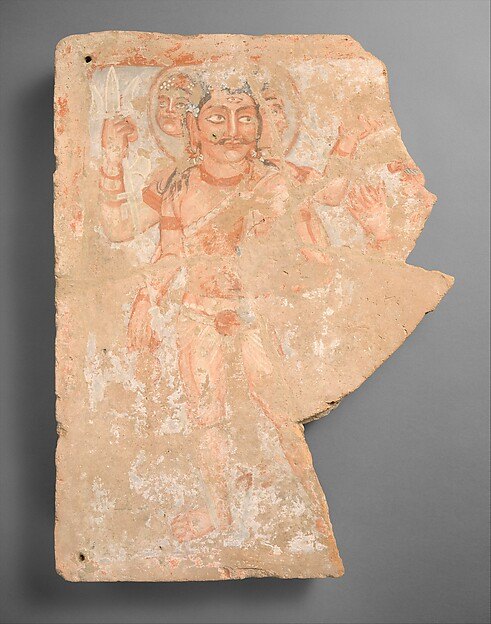
Buddhist art originated on the Indian subcontinent following the historical life of Siddhartha Gautama, 6th to 5th century BC, and thereafter evolved by contact with other cultures as it spread throughout Asia and the world.
Buddhist art followed believers as the dharma spread, adapted, and evolved in each new host country. It developed to the north through Central Asia and into Eastern Asia to form the Northern branch of Buddhist art.
In India, the Buddhist art flourished and even influenced the development of Hindu art, until Buddhism nearly disappeared in India around the 10th century due in part to the vigorous expansion of Islam alongside Hinduism.
Tibetan Buddhist art
Tibetan art includes thangkas and mandalas, often including depictions of Buddhas and bodhisattvas. Creation of Buddhist art is usually done as a meditation as well as creating an object as aid to meditation. An example of this is the creation of a sand mandala by monks; before and after the construction prayers are recited, and the form of the mandala represents the pure surroundings (palace) of a Buddha on which is meditated to train the mind. The work is rarely, if ever, signed by the artist. Other Tibetan Buddhist art includes metal ritual objects, such as the vajra and the phurba.
Indian Buddhist art
Two places suggest more vividly than any others the vitality of Buddhist cave painting from about the 5th century AD. One is Ajanta, a site in India long forgotten until discovered in 1817. The other is Dunhuang, one of the great oasis staging posts on the Silk Road...The paintings range from calm devotional images of the Buddha to lively and crowded scenes, often featuring the seductively full-breasted and narrow-waisted women more familiar in Indian sculpture than in painting.
Background reading selected and abridged from Religious art by Wikipedia contributors (November 2023 edition), under CC BY-SA 4.0. The linked histories identify contributing authors.