The Eleusinian Mysteries were initiations held every year for the cult of Demeter and Persephone based at the Panhellenic Sanctuary of Eleusis in ancient Greece.
Eleusinian Mysteries
The Eleusinian Mysteries were initiations held every year for the cult of Demeter and Persephone based at the Panhellenic Sanctuary of Eleusis in ancient Greece. They are considered the "most famous of the secret religious rites of ancient Greece". Their basis was an old agrarian cult, and there is some evidence that they were derived from the religious practices of the Mycenean period. The Mysteries represented the myth of the abduction of Persephone from her mother Demeter by the king of the underworld Hades, in a cycle with three phases: the descent (loss), the search, and the ascent, with the main theme being the ascent of Persephone and the reunion with her mother. It was a major festival during the Hellenic era, and later spread to Rome. Similar religious rites appear in the agricultural societies of the Near East and in Minoan Crete.
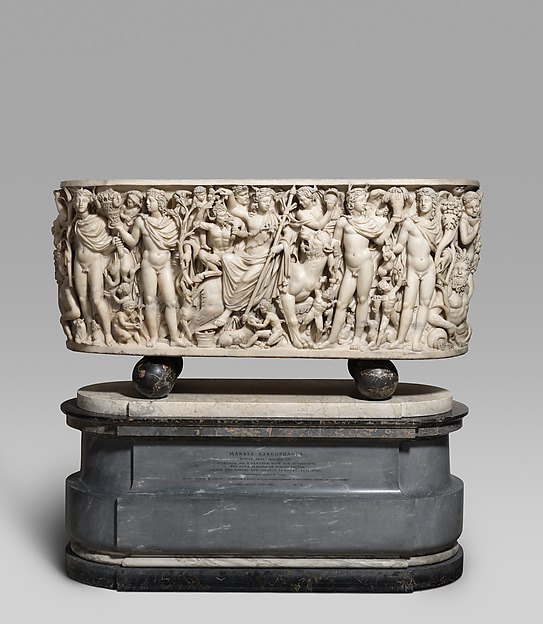
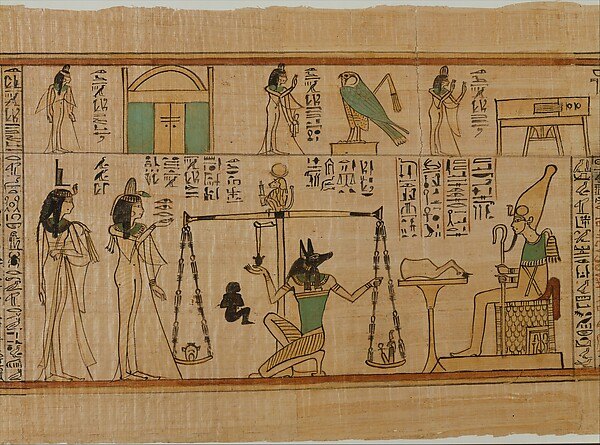
The rites, ceremonies, and beliefs were kept secret and consistently preserved from antiquity. For the initiated, the rebirth of Persephone symbolized the eternity of life which flows from generation to generation, and they believed that they would have a reward in the afterlife. There are many paintings and pieces of pottery that depict various aspects of the Mysteries. Since the Mysteries involved visions and conjuring of an afterlife, some scholars believe that the power and longevity of the Eleusinian Mysteries, a consistent set of rites, ceremonies and experiences that spanned two millennia, came from psychedelic drugs. The name of the town, Eleusis, seems to be pre-Greek, and is likely a counterpart with Elysium and the goddess Eileithyia.
Etymology
The name of the city Eleusis is Pre-Greek, and may be related with the name of the goddess Eileithyia. Her name ( Elysia) in Laconia and Messene, probably relates her with the month Eleusinios and Eleusis, but this is debated.
The ancient Greek word whence English mystery derives, i.e. mystḗrion, means "mystery or secret rite" and is related with the verb myéō , which means "(I) teach, initiate into the mysteries", and the noun mýstēs , which means "one initiated". The word mystikós , whence English mystic, means "connected with the mysteries", or "private, secret" (as in Modern Greek).
Demeter and Persephone
The Mysteries are related to a myth concerning Demeter, the goddess of agriculture and fertility as recounted in one of the Homeric Hymns (c. 650 BC). According to the hymn, Demeter's daughter Persephone (also referred to as Kore, "maiden") was assigned the task of painting all the flowers of the earth. Before completion, she was seized by Hades, the god of the underworld, who took her to his underworld kingdom. Distraught, Demeter searched high and low for her daughter. Because of her distress, and in an effort to coerce Zeus to allow the return of her daughter, she caused a terrible drought in which the people suffered and starved, depriving the gods of sacrifice and worship. As a result, Zeus relented and allowed Persephone to return to her mother.
According to the myth, during her search Demeter traveled long distances and had many minor adventures along the way. In one she taught the secrets of agriculture to Triptolemus. Finally, by consulting Zeus, Demeter reunited with her daughter and the earth returned to its former verdure and prosperity: the first spring.
Zeus, pressed by the cries of the hungry people and by the other deities who also heard their anguish, forced Hades to return Persephone. However, it was a rule of the Fates that whoever consumed food or drink in the Underworld was doomed to spend eternity there. Before Persephone was released to Hermes, who had been sent to retrieve her, Hades tricked her into eating pomegranate seeds (either six or four according to the telling), which forced her to return to the underworld for some months each year. She was obliged to remain with Hades for six or four months (one month per seed) and lived above ground with her mother for the rest of the year. This left a long period of time when Demeter was unhappy due to Persephone's absence, neglecting to cultivate the earth. When Persephone returned to the surface, Demeter became joyful and cared for the earth again.
In the central foundation document of the mystery, the Homeric Hymn to Demeter line 415, Persephone is said to stay in Hades during winter and return to her mother in the spring of the year: "This was the day [of Persephone's return], at the very beginning of bountiful springtime."
Persephone's rebirth is symbolic of the rebirth of all plant life and the symbol of eternity of life that flows from the generations that spring from each other.
However, a scholar has proposed a different version, according to which the four months during which Persephone is with Hades correspond to the dry Greek summer, a period during which plants are threatened with drought.
Mysteries
The Eleusinian Mysteries are believed to be of considerable antiquity. Some findings in the temple Eleusinion in Attica suggest that their basis was an old agrarian cult. Some practices of the mysteries seem to have been influenced by the religious practices of the Mycenaean period, thus predating the Greek Dark Ages. Excavations showed that a private building existed under the Telesterion in the Mycenean period, and it seems that originally the cult of Demeter was private. In the Homeric Hymn is mentioned the palace of the king Keleos.
Background reading selected and abridged from Eleusinian Mysteries by Wikipedia contributors (November 2023 edition), under CC BY-SA 4.0. The linked histories identify contributing authors.