, also called , is the Japanese kami of foxes, fertility, rice, tea and sake, of agriculture and industry, of general prosperity and worldly success, and one of the principal kami of Shinto.
Inari Ōkami
, also called , is the Japanese kami of foxes, fertility, rice, tea and sake, of agriculture and industry, of general prosperity and worldly success, and one of the principal kami of Shinto. In earlier Japan, Inari was also the patron of swordsmiths and merchants. Represented as male, or female, Inari is sometimes seen as a collective of three or five individual kami. Inari appears to have been worshipped since the founding of a shrine at Inari Mountain in 711 AD, although some scholars believe that worship started in the late 5th century.
By the 16th century, Inari had become the patron of blacksmiths and the protector of warriors, and worship of Inari spread across Japan in the Edo period. Inari is a popular figure in both Shinto and Buddhist beliefs in Japan. More than one-third (32,000) of the Shinto shrines in Japan are dedicated to Inari. Modern corporations, such as cosmetic company Shiseido, continue to revere Inari as a patron kami, with shrines atop their corporate headquarters.
According to myth, Inari, as a goddess, was said to have come to Japan at the time of its creation amidst a harsh famine that struck the land. "She [Inari] descended from Heaven riding on a white fox, and in her hand she carried sheaves of cereal or grain. Ine, the word now used for rice, is the name for this cereal. What she carried was not rice but some cereal that grows in swamps. According to legend, in the ancient times Japan was water and swamp land."
Depiction
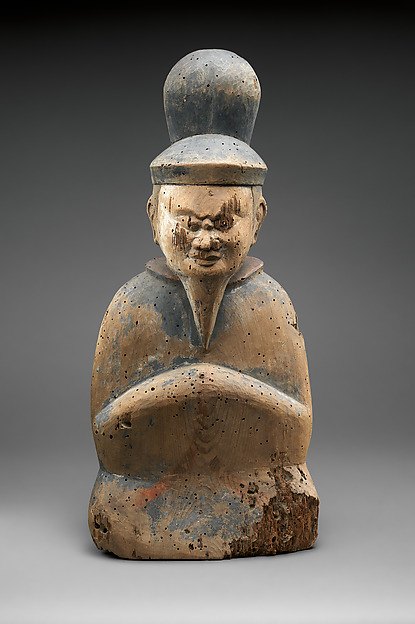
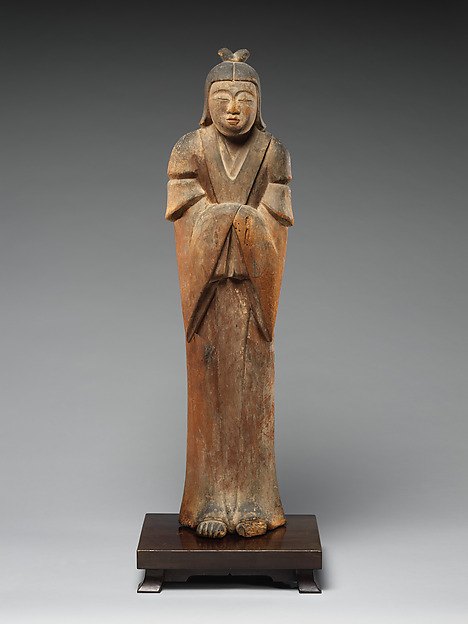
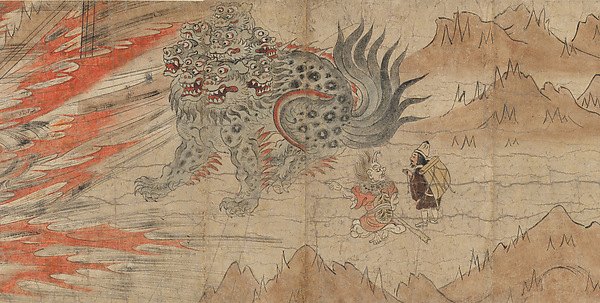
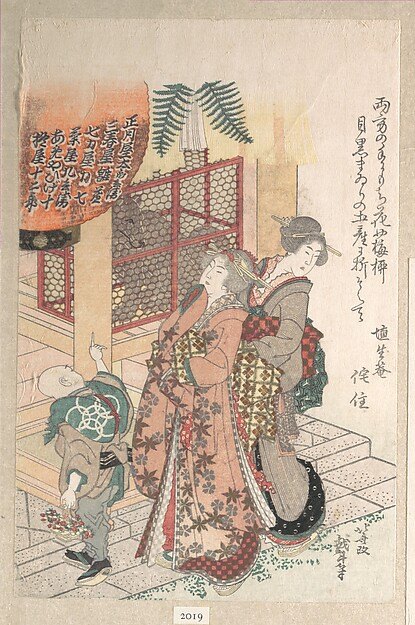
Inari has been depicted both as female and as male. The most popular representations of Inari, according to scholar Karen Ann Smyers, are a young female food goddess, an old man carrying grains of rice. Historically, Inari started off as a female until the rise of Buddhist controlled government in Japan. At the time, many female high-power deities were changed to male, Inari included. The separation of Buddhism and Shinto occurred. Some didn't know whether to refer to Inari as male or female, so they left it up to each person. Because of her close association with kitsune, Inari is often believed to be a fox; though this belief is widespread, both Shinto and Buddhist priests discourage it. Inari also appears in the form of a snake or dragon, and one folktale has Inari appear to a wicked man in the shape of a monstrous spider as a way of teaching him a lesson.
Inari is sometimes identified with other mythological figures. Some scholars suggest that Inari is the figure known in classical Japanese mythology as the Shinto female deity Uka-no-Mitama (or possibly Uke Mochi); others suggest Inari is the same figure as the Shinto female deity, Toyouke. Some take Inari to be identical to any grain kami.
Inari's female aspect is often identified or conflated with Dakiniten, a Buddhist deity who is a Japanese transformation of the Indian dakini, or with Benzaiten of the Seven Lucky Gods. Dakiniten is portrayed as a female or androgynous bodhisattva riding a flying white fox. Inari's association with Buddhism may have begun in the 8th century, when Shingon Buddhist monk and founder, Kūkai, took over administration of the temple of Tōji, and chose Inari as a protector of the temple. Thus, Inari is still closely associated with Shingon Buddhism to this day.
Inari is often venerated as a collective of three deities (Inari sanza); since the Kamakura period, this number has sometimes increased to five kami (Inari goza). However, the identification of these kami has varied over time. According to records of Fushimi Inari, the oldest and perhaps most prominent Inari shrine, these kami have included Izanagi, Izanami, Ninigi, and Wakumusubi, in addition to the food deities previously mentioned. The five kami today identified with Inari at Fushimi Inari are Ukanomitama, Sarutahiko, Omiyanome, Tanaka, and Shi. However, at Takekoma Inari, the second-oldest Inari shrine in Japan, the three enshrined deities are Ukanomitama, Ukemochi, and Wakumusubi. According to the Nijūni shaki, the three kami are Ōmiyame no mikoto (water) Ukanomitama no mikoto (grain) and Sarutahiko no mikami (land).
The fox and the wish-fulfilling jewel are prominent symbols of Inari. Other common elements in depictions of Inari, and sometimes of their kitsune, include a sickle, a sheaf or sack of rice, and a sword. Another belonging was their whip—although they were hardly known to use it, it was a powerful weapon that was used to burn people's crops of rice.
History
The origin of Inari worship is not entirely clear. The first recorded use of the present-day kanji (characters) of Inari's name, which mean "carrying rice", (literally "rice load") was in the Ruijū Kokushi in 892 AD. Other sets of kanji with the same phonetic readings, most of which contained a reference to rice, were in use earlier, and most scholars agree that the name Inari is derived from . The worship of Inari is known to have existed as of 711 AD, the official founding date of the shrine at Inari Mountain in Fushimi, Kyoto. Scholars such as Kazuo Higo believe worship was conducted for centuries before that date; they suggest that the Hata clan began the formal worship of Inari as an agriculture kami in the late fifth century. The name Inari does not appear in classical Japanese mythology.
Background reading selected and abridged from Inari Ōkami by Wikipedia contributors (November 2023 edition), under CC BY-SA 4.0. The linked histories identify contributing authors.